
The Science of Salt Neutralization: Why Standard Carpet Cleaning Fails in Winter
Winter in the Upper Valley brings a predictable cycle of snow, ice, and the inevitable tracking of road treatments into homes and businesses. While most property owners are diligent about vacuuming the visible crystals in their entryways, a microscopic chemical reaction often continues unnoticed until the damage is visible.
The white, crusty residue left by ice melt is not merely "dirt." It is the result of high-alkalinity chemical compounds bonding to floor fibers. For homeowners and facility managers in New Hampshire and Vermont, understanding the chemistry behind these compounds is critical. Standard vacuuming removes surface debris, but it cannot reverse the chemical bonding process. To truly protect flooring assets, one must rely on salt neutralization carpet cleaning.
This article explores the specific chemical interactions between calcium chloride and carpet fibers, explaining why standard cleaning methods often exacerbate the problem and how proper pH-balancing preserves the longevity of textile floorings.
The Chemistry of Ice Melt: More Than Just "Salt"
To understand why winter damage occurs, we must first identify the chemical agents involved. The "salt" spread on roads and walkways is rarely simple sodium chloride (table salt). In the colder climates of the Northeast, municipalities and property managers often utilize Calcium Chloride (CaCl2) or Magnesium Chloride (MgCl2).
These compounds are chosen for their efficacy at lower temperatures, but they possess a chemical property known as hygroscopy. A hygroscopic substance actively attracts and holds water molecules from the surrounding environment.
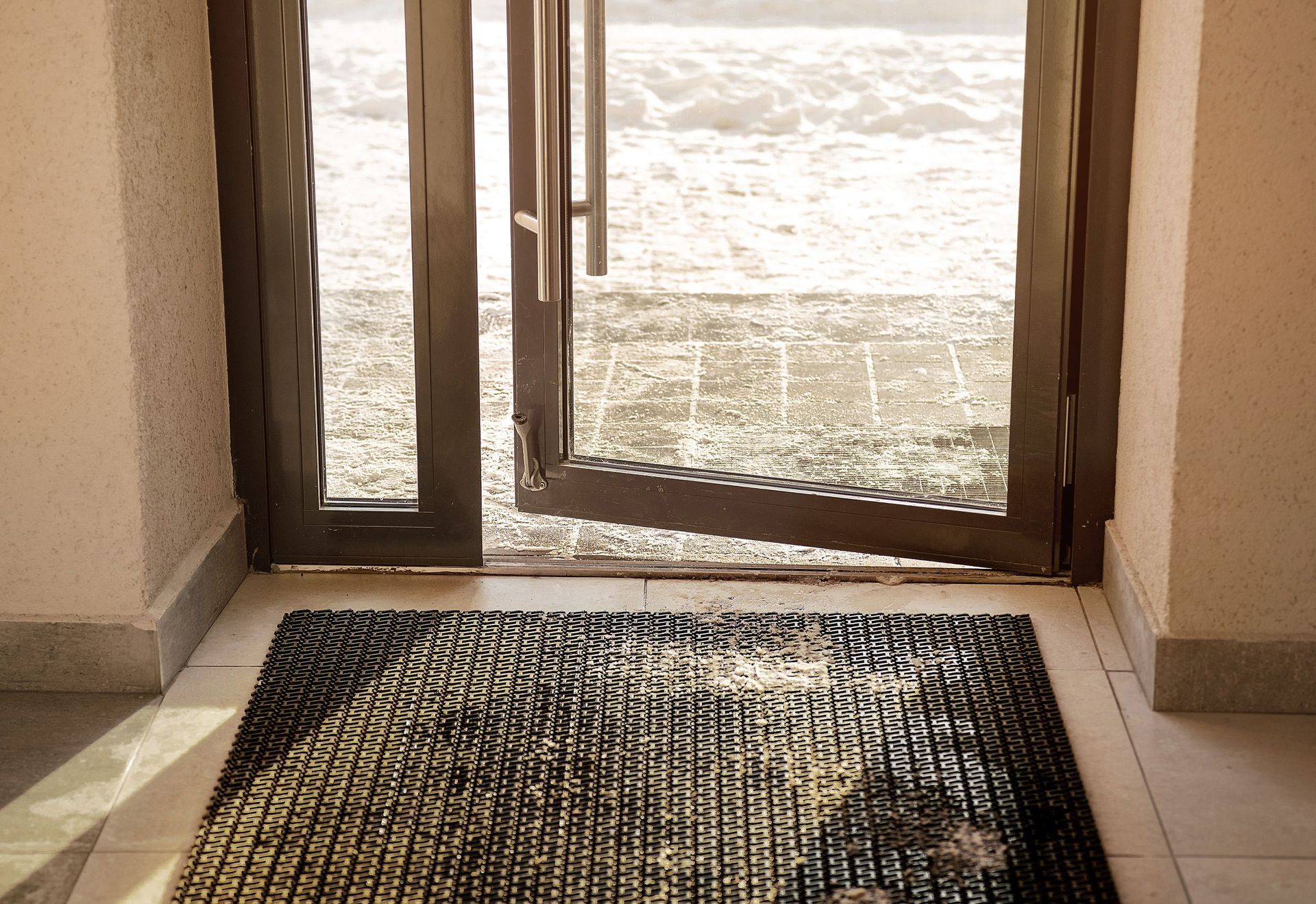
When these compounds are tracked onto a carpet, they do not simply dry out and sit on the surface like sand. Instead, they draw moisture from the air and the shoe soles of passing traffic, creating a brine solution that penetrates deep into the carpet pile. This brine coats the individual fibers of the rug or carpet. Even after the water evaporates, the chemical residue remains, waiting to re-absorb moisture from humidity or the next wet boot. This cycle keeps the carpet fibers perpetually damp and sticky, turning the entryway into a magnet for other soils, oils, and particulate matter.
The pH Problem: Why "Soaps" Make It Worse
The most significant threat to carpet integrity is not the physical crystal, but the pH level of the residue. Most ice melt products are alkaline, meaning they have a high pH level (typically above 8 or 9).
Carpet fibers, particularly synthetic nylon and natural wool, are designed to remain stable at a neutral pH (around 7) or slightly acidic state. When highly alkaline road salts accumulate, they shift the chemical environment of the floor.
This leads to two distinct forms of damage:
1. Chemical Burns: Prolonged exposure to high alkalinity can "burn" the fibers, causing them to become brittle and unravel. This is often mistaken for physical wear and tear.
2. Color Destabilization (Browning): Many carpet dyes are pH-sensitive. When the pH rises significantly, the dyes can destabilize, leading to the characteristic brownish-yellow discoloration often seen in winter entryways. This is not dirt; it is a chemical alteration of the dye sites.
The instinct for many is to use a store-bought carpet shampoo or a standard general-purpose cleaner. However, most general cleaners are also alkaline. They are formulated to cut through grease (which is acidic). Adding an alkaline cleaner to an alkaline salt stain creates a "pH spike," which accelerates fiber damage and sets the stain permanently.
Why Vacuuming Is Insufficient
High-quality vacuuming is the first line of defense for particulate matter. It effectively removes dry sand, grit, and solid debris that acts as an abrasive sandpaper against floor finishes. However, vacuuming is a mechanical process, not a chemical one.
Because the ice melt compounds are hygroscopic and often exist as a coating on the fiber rather than a loose particle, suction alone cannot dislodge them. The bond between the salt brine and the fiber is stronger than the airflow of a standard vacuum.
Furthermore, once the salt has dissolved into a liquid brine and wicked into the backing of the carpet, no amount of dry vacuuming will reach it. As the carpet dries, the dissolved salts migrate back up the fiber tips—a process known as wicking—causing the white, crusty stains to reappear days after a superficial cleaning.
The Solution: Acid-Rinse Extraction
Restoring a carpet contaminated by winter salts requires a process rooted in chemistry: neutralization.
Just as an antacid neutralizes stomach acid, an acidic rinsing agent is required to neutralize alkaline road salts. This is the core principle of salt neutralization carpet cleaning.
Professional technicians typically employ a two-step process:
1. Suspension and Agitation: A specialized pre-spray is applied to break the surface tension of the oils and soils trapped by the sticky salt residue.
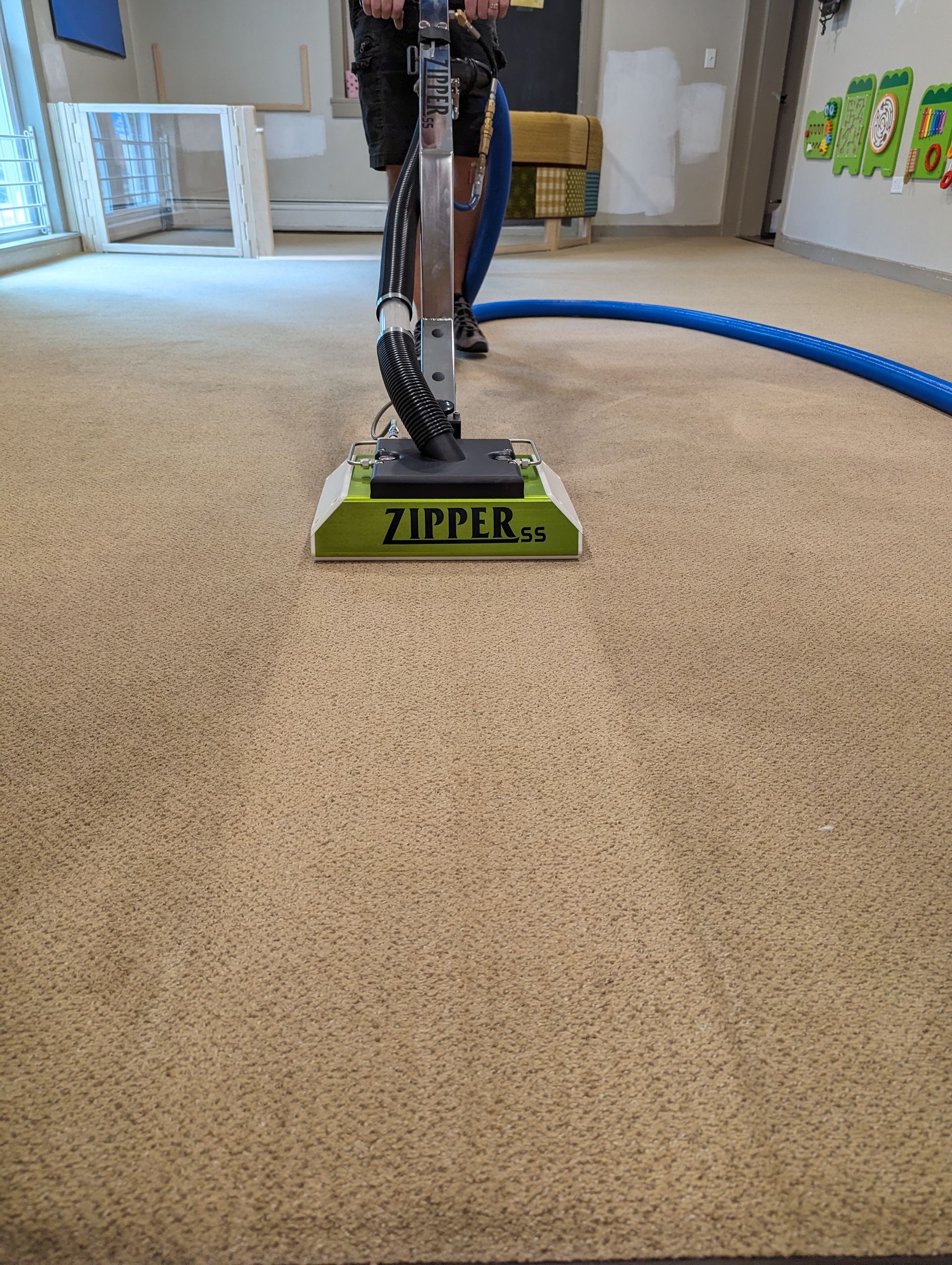
2. Acidic Extraction: During the hot water extraction process (steam cleaning), a buffered acidic rinse is fed through the water line.
This acidic rinse performs a dual function. First, it lowers the pH of the carpet fibers, chemically dissolving the alkaline salt bonds and allowing them to be flushed away. Second, it returns the carpet to a neutral or slightly acidic state, which stabilizes the dyes and leaves the fibers soft. Without this chemical adjustment, the carpet would remain stiff and sticky, attracting new dirt almost immediately.
For homeowners utilizing professional carpet cleaning services, asking about the specific pH-balancing protocol is a valid and necessary inquiry during the winter months.
Preventing Permanent Damage to Wool and Nylon
Different fibers react differently to salt exposure. Understanding the material composition of your flooring can help prioritize which areas need immediate attention.
Nylon (Broadloom/Wall-to-Wall)
Nylon is the most common fiber for residential and commercial carpets. It is durable but highly susceptible to acid dye blockers being stripped away by high alkalinity. Once these factory-applied stain blockers are compromised by road salt, the carpet loses its resistance to common food and beverage spills. Regular neutralization helps maintain the factory warranty and protective coating.
Wool (Area Rugs)
Wool is a protein fiber and is significantly more sensitive to chemical damage than synthetics. Alkaline residues can cause the protein structure of the wool to degrade, leading to permanent texture change and fiber loss. "Chemical melting" of wool fibers is a genuine risk if ice melt is left to sit for the duration of a season. For high-value area rugs, professional intervention is not just about cleanliness; it is about asset preservation.
Commercial Implications: The High-Traffic Challenge
For business owners, the stakes are financial. Commercial entryways endure hundreds of times the foot traffic of a residential home. The accumulation of salt in these "walk-off" zones can ruin commercial-grade glue-down carpet in a single season.
In a commercial setting, the "white haze" on the floor projects an image of neglect to customers. More importantly, the abrasive nature of the salt residue destroys the fibers, necessitating premature capital expenditure for flooring replacement. Implementing a routine that includes commercial cleaning solutions with periodic salt extraction extends the lifecycle of the flooring investment significantly.
The Role of Temperature in Salt Removal
Another factor limiting the effectiveness of DIY methods is temperature. The solubility of calcium chloride increases with temperature. Cold water—often used in home rental machines or spot cleaning—struggles to fully dissolve the crystallized bonds of the salt.
Professional truck-mounted systems utilize high temperatures (often exceeding 200°F). This thermal energy, combined with the chemical neutralization, ensures that the salt crystals are fully solubilized and extracted into the waste tank. High-temperature specialized steam cleaning also aids in the rapid evaporation of moisture, preventing the "wet dog" odor that can occur if carpets are left damp in a humid, heated winter home.
Frequently Asked Questions
Why do white salt stains reappear a few days after I clean them?
This phenomenon is called "wicking." When ice melt dissolves, it penetrates the backing of the carpet. If you only clean the surface fibers, the deep-set salt remains. As the carpet dries, moisture wicks up from the bottom to the top, carrying the dissolved salt with it. When the water evaporates, the white crystals re-crystallize on the tips of the fibers. Professional extraction removes the deep-set moisture to prevent this.
Can I use vinegar and water to neutralize salt stains myself?
Vinegar is a mild acid (acetic acid) and can theoretically help neutralize alkaline salts. However, household vinegar often leaves a strong odor and may not be the correct pH strength to counteract heavy industrial ice melt. Furthermore, without the powerful suction of professional extraction, you risk driving the dissolved salt mixture deeper into the pad, causing mold or mildew issues later.
Is road salt harmful to my pets if it stays on the carpet?
Yes. Many ice melt products, particularly those containing calcium chloride, are skin irritants. If pets lie on the carpet or walk on it and then lick their paws, they can ingest these chemicals, leading to gastrointestinal distress or chemical burns in their mouth. Removing the residue thoroughly is a health priority for households with animals.
How often should I have salt neutralization done during the winter?
This depends on traffic volume and weather severity. For a standard residential home, a mid-winter cleaning (January/February) and a post-winter restoration (April) is ideal. For commercial spaces with high foot traffic, monthly extraction of the entryway "walk-off" mats or carpet zones may be necessary to prevent permanent fiber damage.
Does "salt neutralization" use harsh chemicals?
No. In fact, it is the opposite. The "harsh" chemicals are the alkaline salts already on your floor. The neutralizing rinse is typically a buffered, mild acid (similar to the chemistry of a hair conditioner) designed to bring the floor back to a neutral, safe state. It leaves the fibers softer and free of the sticky residue that attracts dirt.
Conclusion
The preservation of flooring in the Northeast requires a shift in perspective. Winter maintenance is not simply about removing visible dirt; it is about managing chemical interactions. The alkaline nature of calcium and magnesium chloride creates a hostile environment for textile fibers, degrading their structure and appearance over time.
While vacuuming remains an essential daily chore to remove dry particulate, it is chemically insufficient to combat ice melt. Salt neutralization carpet cleaning utilizing acid-rinse extraction is the only scientifically sound method to break the alkaline bond, flush away the hygroscopic residue, and restore the chemical balance of the floor. By addressing the chemistry of the stain, homeowners and businesses can ensure their carpets survive the season without permanent scars.
For readers looking for additional information or professional support related to this topic, Flanders Cleaning Services provides residential and commercial cleaning services in the Upper Valley region of New Hampshire and Vermont. Learn more at https://www.flanderscleaning.com/.