
The June Super-Peak: A Landlord’s Timeline for Vacation Rental Turnover Cleaning in the Upper Valley
June in the Upper Valley brings a predictable but intense period of logistical strain for property owners. The arrival of early summer triggers a cascade of major regional events that draw thousands of visitors to New Hampshire and Vermont. For operators of short-term rentals, this concentration of tourism is highly profitable. However, it also creates an operational bottleneck.
During this brief window, standard property management routines often fail. The standard checkout and check-in windows overlap precisely when local resources are stretched to their absolute limits. Navigating this period requires more than just finding an available housekeeper. It requires a rigid operational schedule designed months in advance.
Securing reliable vacation rental turnover cleaning in the Upper Valley is the primary hurdle for absentee owners and local landlords alike. This article outlines the specific challenges of the June event convergence and provides a chronological timeline to ensure properties remain clean, undamaged, and guest-ready throughout the busiest weeks of the year.
Understanding the June Event Convergence
The difficulty of June property management in the Upper Valley stems from a specific convergence of dates. The region operates on a micro-season during this month, characterized by back-to-back events that guarantee near 100% occupancy rates across regional accommodations.
The timeline typically begins in the first week of June with the Covered Bridges Half Marathon, which draws thousands of runners and spectators to the Woodstock and Quechee areas. The immediate following weekend introduces the peak crisis point: the Dartmouth College Commencement in Hanover. Dormitories and rentals must be prepared rapidly for arriving families, followed by a massive, synchronized checkout of thousands of guests on graduation Sunday. The subsequent weekend often aligns with the Quechee Hot Air Balloon Festival, sustaining the high tourist traffic.
This density means property owners face continuous, high-velocity changeovers. There is effectively zero downtime between bookings. The moment one group departs at 11:00 AM, the property must be fully sanitized, restocked, and staged before the next group arrives at 3:00 PM. Missing this tight four-hour window results in delayed check-ins, negative reviews, and immediate financial penalties.

The Reality of the Regional Labor Pool
The primary constraint during the June Super-Peak is not a lack of booking demand, but a severe shortage of available labor. The Upper Valley labor market is consistently tight, and the pool of trained, background-checked cleaning professionals is limited.
Many new property managers assume they can secure cleaning staff a few weeks before an event. During graduation season, this is a mathematical impossibility. Local hotels, resorts, and established property management firms absorb the vast majority of the available workforce. Professional cleaning companies often hit their maximum capacity for June weekend slots by early spring.
Relying on last-minute, app-based gig workers during this high-stakes window carries significant risk. If an uncontracted worker cancels or fails to show up on graduation Sunday, the landlord has no backup options. Successful navigation of this period requires shifting from an "on-demand" mindset to a contractual one. Property owners must secure a guaranteed priority slot with a service provider long before the spring thaw begins.
The Landlord’s Six-Month Planning Timeline
To prevent logistical failure in June, preparation must begin in the middle of winter. Following a structured timeline ensures that both the property and the cleaning personnel are prepared for the high-volume weeks.
January and February: Vendor Procurement
This is the critical window for securing labor. Landlords should initiate contact with professional cleaning firms to establish a priority booking contract for the June event dates. Establishing this relationship early guarantees a spot on the schedule and allows the cleaning company to allocate specific staff to your property, ensuring they are familiar with the layout and specific staging requirements before the rush begins.
March and April: The Baseline Reset
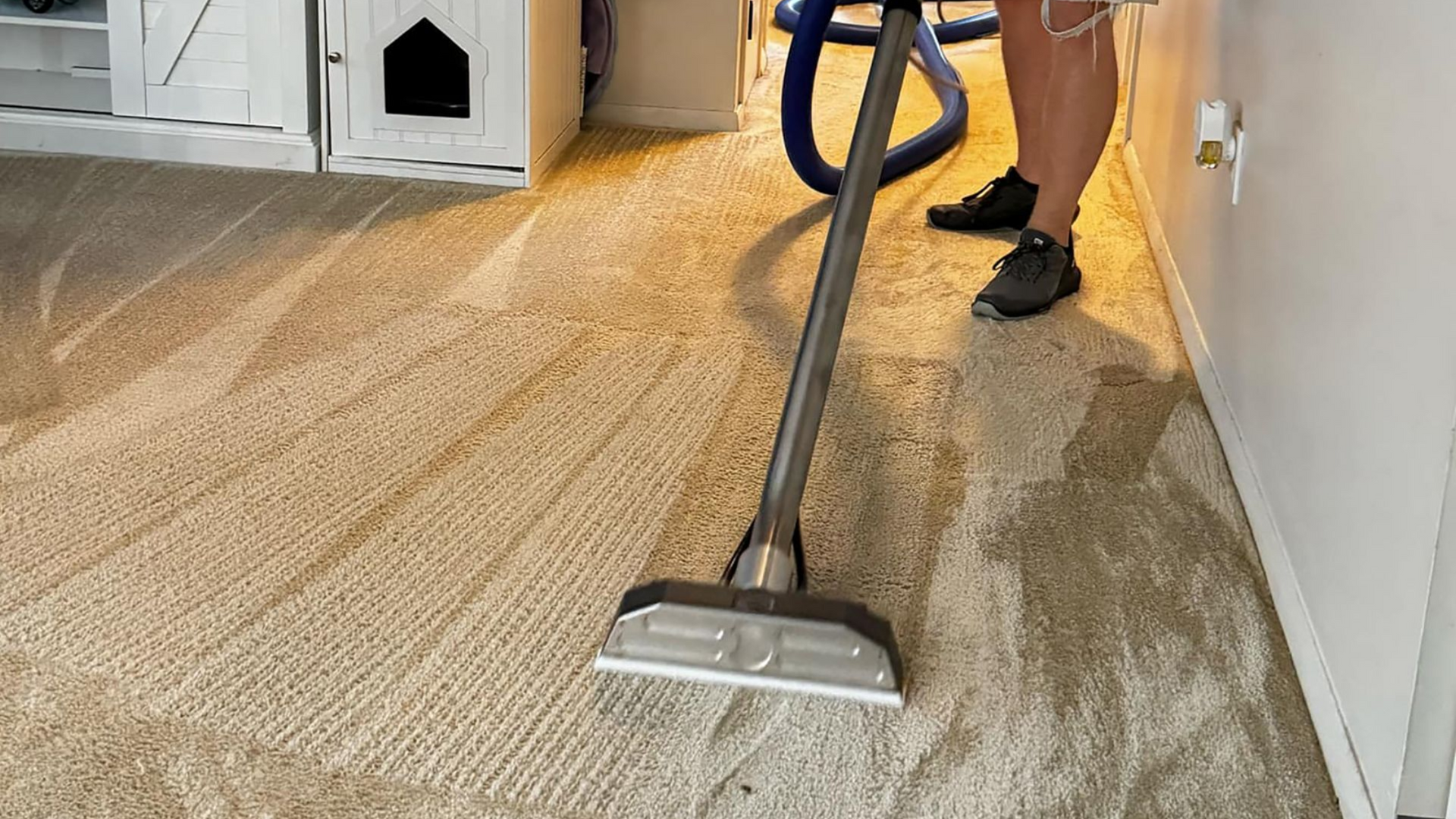
Attempting to perform deep cleaning tasks during a rapid four-hour turnover in June is impossible. Therefore, the property must be brought to a pristine baseline during the slower spring months. This is the optimal time to schedule a comprehensive service following a deep cleaning schedule: when to hire professionals. This service should target the areas that cannot be addressed during a quick changeover, such as cleaning inside ovens, washing baseboards, detailing light fixtures, and extracting winter grit from mudroom grout lines.
May: Inventory and Restocking
High-velocity turnovers require efficiency. Cleaning staff cannot pause a turnover to drive to a local store for supplies. In May, property managers must purchase all necessary consumables in bulk. This includes toilet paper, paper towels, hand soaps, dishwasher pods, and coffee supplies. These items should be organized in a locked owner’s closet on-site so the cleaning team can instantly restock the unit without leaving the premises.
June: Execution and Monitoring
With contracts signed, deep cleaning completed, and supplies stocked, June becomes an exercise in monitoring. Landlords should maintain clear communication channels with their cleaning teams, providing exact check-out and check-in times for every reservation, and establishing a clear protocol for reporting any damage left by departing guests.
The Mechanics of High-Velocity Turnovers
A standard residential house cleaning is entirely different from a vacation rental turnover. A turnover is a highly choreographed process designed to reset a property to a hotel-standard level of presentation within a strict time constraint.
The primary bottleneck in any turnover is laundry. When a technician enters a property at 11:00 AM, the immediate first step is stripping all beds and starting the washing machine. While the laundry runs, the technician moves systematically through the property. The focus shifts to the bathrooms for heavy sanitation, followed by the kitchen, where appliances are wiped down and remaining food is discarded.
Dusting and surface wiping occur next, moving from the top of the room down to the floor. The final step is always vacuuming and hard floor mopping, literally cleaning the way out the door. For absentee owners managing properties remotely, utilizing a structured Airbnb cleaning services protocol guarantees that this specific sequence is followed. This strict adherence to process is what prevents delays and ensures the property is pristine by the 3:00 PM deadline.

Asset Protection Following Large Gatherings
Graduation weekends and local festivals often involve extended family gatherings, celebratory meals, and significantly higher foot traffic than a standard weekend rental. This usage density accelerates the wear and tear on a property's interior assets, particularly soft flooring.
Following the departure of graduation guests, the likelihood of finding accidental spills, tracked-in mud, or deep-set food stains on rugs is high. If left untreated, these substances can cause permanent color destabilization or chemical burns on sensitive wool and nylon fibers. During the late June transition between graduation crowds and standard summer tourists, property managers must assess the condition of their floors.
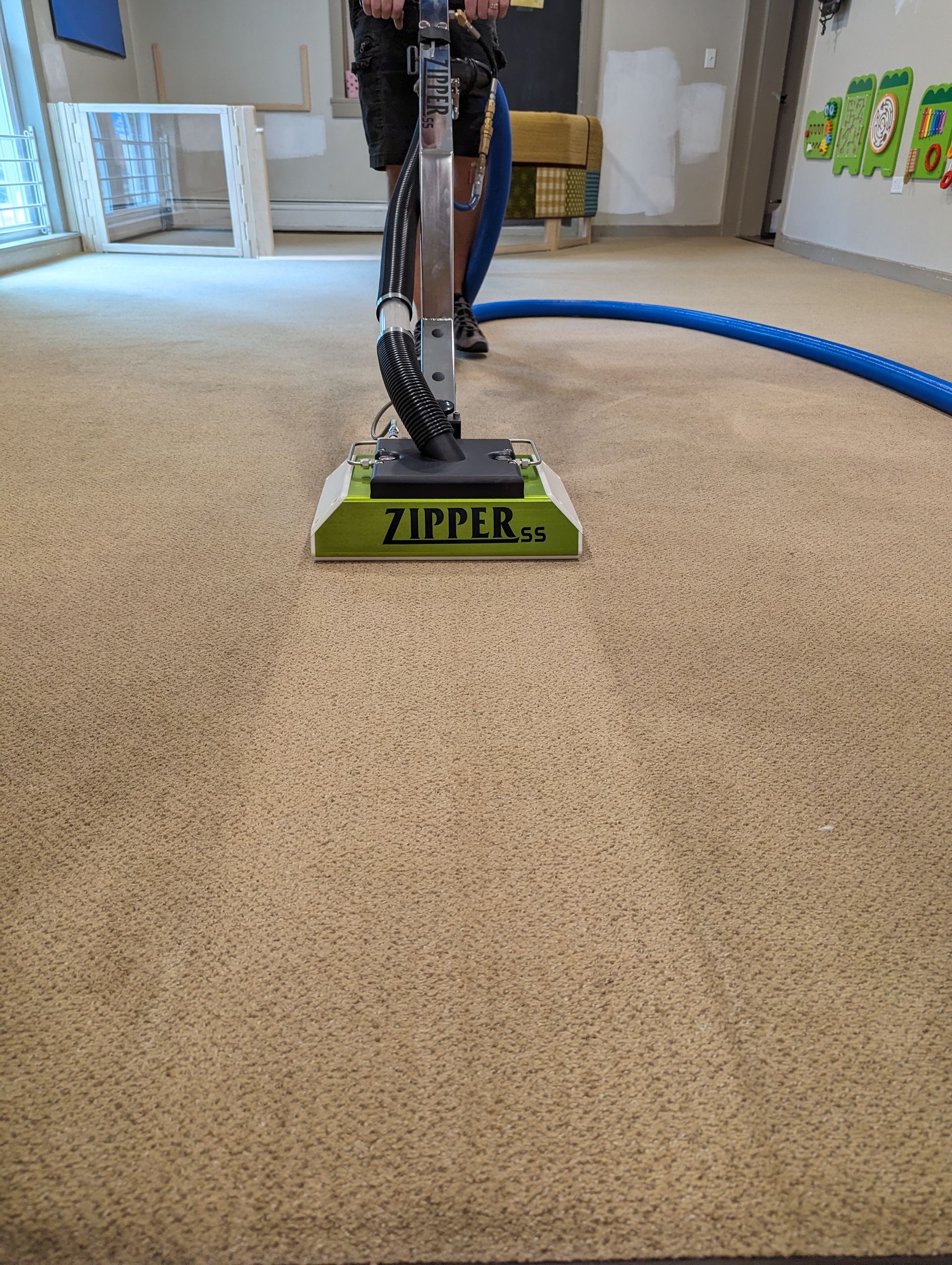
If heavy soil accumulation is present, scheduling professional carpet cleaning via hot water extraction is necessary. This thermal extraction removes the sticky biological residue and resets the pH of the carpet fibers. Addressing this immediately after the Super-Peak prevents permanent damage to the flooring investment and neutralizes any lingering odors before the humid July weather sets in.
Frequently Asked Questions
How far in advance should I book cleaners for Dartmouth graduation weekend?
Property managers should secure their cleaning contracts no later than February for the upcoming June graduation. Because the entire region reaches maximum occupancy simultaneously, professional cleaning companies allocate their available staff months in advance. Attempting to book a cleaner in May will almost certainly result in finding no availability.
What happens if a guest refuses to check out on time during a busy turnover day?
A delayed checkout severely compromises the four-hour cleaning window. Professional cleaning teams are usually on a strict schedule with multiple properties to service. If a guest refuses to leave, the cleaner may have to move to their next job and return later, which can delay the check-in of your next guest. Landlords must enforce strict checkout policies and communicate the critical nature of these times to their guests prior to arrival.
Can a single cleaner handle a large vacation rental turnover in four hours?
This depends entirely on the square footage of the home and the number of beds. A standard two-bedroom condo can typically be turned over by a highly efficient solo cleaner. However, a large four-bedroom historic home in Hanover or Woodstock requires a team of two or more technicians to complete the laundry, sanitation, and staging within a strict four-hour window.
Should I provide the cleaning supplies for my vacation rental?
Professional cleaning firms provide their own commercial-grade cleaning chemicals, vacuums, and extraction tools. However, the property owner is strictly responsible for providing the "consumables" that stay with the house. This includes the guest amenities (toilet paper, trash bags, hand soap) and the physical linens and towels required to make the beds.
How do professional services handle property damage discovered during a turnover?
A key function of a professional turnover service is acting as the property manager's eyes and ears. If a technician discovers broken furniture, damaged drywall, or ruined carpets upon entering the unit, they follow a damage reporting protocol. This typically involves photographing the damage immediately with time-stamped images and sending them to the owner, allowing the landlord to file a claim against the departing guest's security deposit before the next guest checks in.
Conclusion
The concentration of events in the Upper Valley during June creates an incredibly lucrative, yet logistically fragile, period for local property investors. Success during this Super-Peak does not happen by accident; it requires viewing property turnover as a precise logistical operation. By understanding the severe constraints of the regional labor pool and adhering to a proactive, six-month planning timeline, landlords can bypass the stress of the season. Establishing vendor relationships early, performing baseline deep cleans in the spring, and enforcing strict turnaround protocols ensures that rental assets remain protected and guests experience seamless, five-star arrivals.
For readers looking for additional information or professional support related to this topic, Flanders Cleaning Services provides residential and commercial cleaning services in the Upper Valley region of New Hampshire and Vermont. Learn more at https://www.flanderscleaning.com/.