
Banishing the "Closed House" Smell: The Guide to Professional Upholstery Steam Cleaning
Winter in northern New England requires tightly sealed homes. For months, residents keep windows closed and heating systems running constantly to block out the bitter cold. While this effectively traps warmth inside, it also traps environmental odors. By the time the spring thaw arrives, many property owners notice a distinct, stale scent lingering in their living rooms.
This "closed house" smell is rarely just stagnant airborne dust. Instead, it is embedded deep within the soft furnishings of the home. Standard household cleaning routines struggle to remove these heavy odors from thick, porous fabrics. Reviving a living space requires physical extraction rather than surface wiping. Understanding the mechanics of professional upholstery steam cleaning is necessary for homeowners and facility managers looking to permanently eliminate winter odors and restore their furniture assets.
The Science Behind the "Closed House" Smell
The stale odor that develops in homes over the winter is the result of a biological process. Furniture fabrics are highly porous. Couches, armchairs, and waiting room chairs act as massive environmental filters for the surrounding room. Throughout the winter, these fabrics continuously absorb everything suspended in the indoor air.
This accumulation includes significant microscopic organic matter. Dead skin cells, pet dander, aerosolized cooking oils, and smoke from wood-burning stoves constantly settle onto soft surfaces. Because windows remain closed during the winter, the building lacks the natural ventilation required to disperse these heavy particles outdoors.
Moisture compounds the problem. Indoor activities generate baseline humidity. When organic matter mixes with this slight winter moisture, it creates a food source for microscopic biological growth within the furniture cushions. As this biological matter breaks down the trapped oils and dander, it releases volatile organic compounds (VOCs). These off-gassing VOCs are the exact source of the musty, heavy scent noticeable when walking into a room. Removing the smell requires removing the organic food source buried in the fabric.

Why Vacuuming and Fabric Sprays Fall Short
When faced with a musty couch, the immediate reaction is often to use a household vacuum or a commercial fabric spray. Both methods fail to address the root cause of the odor. Vacuuming is a mechanical process designed solely for dry particulate matter. A standard vacuum nozzle easily pulls loose pet hair, crumbs, and dry dust from the surface of a cushion.
However, vacuuming cannot break the physical bond between sticky cooking oils and upholstery fibers. The organic matter causing the odor remains tightly adhered to the material, entirely unaffected by the airflow of a household appliance.
Fabric sprays are equally ineffective for long-term odor removal. These products are chemical masking agents. They cover the upholstery in a synthetic perfume and a chemical compound designed to trap odor molecules temporarily. They do not remove the skin cells, the oils, or the pet dander. Once the liquid spray dries and the perfume evaporates, the trapped biological matter resumes off-gassing. The scent returns because the source of the contamination was never physically extracted from the room.
The Importance of Identifying Fabric Types Before Cleaning
Unlike standard broadloom carpet, which is typically constructed from durable synthetic nylon, residential and commercial upholstery utilizes a vast array of materials. Living room furniture frequently features natural fibers like cotton, linen, wool, or complex synthetic blends.
These materials react drastically to moisture and chemical agents. Applying heavy water volume or a high-alkaline cleaning solution to a natural cotton sofa can cause the fabric to shrink. It can also trigger "cellulosic browning," leaving permanent brown watermarks across the cushions. Synthetic microfibers, conversely, attract heavy grease and require specific solvents to release the trapped oils safely.
Proper restoration requires diagnostic testing before any cleaning begins. Trained technicians identify the exact material composition of the furniture. This identification dictates the appropriate water temperature, extraction pressure, and cleaning chemistry required to safely restore the piece without risking structural damage or color loss.
The Mechanics of Professional Upholstery Steam Cleaning
To permanently remove embedded winter odors, the physical soil must be flushed out of the furniture. This is the core function of professional upholstery steam cleaning. The process relies on thermal energy, targeted agitation, and powerful extraction to safely clean delicate textiles.
The technical term for this process is hot water extraction. Technicians apply a specialized, low-moisture pre-spray to the fabric. This solution is formulated to break the chemical bonds holding heavy body oils and organic soils to the fibers. Unlike generic store-bought soaps, these professional agents are pH-balanced to match the specific fabric type, preventing residue buildup.
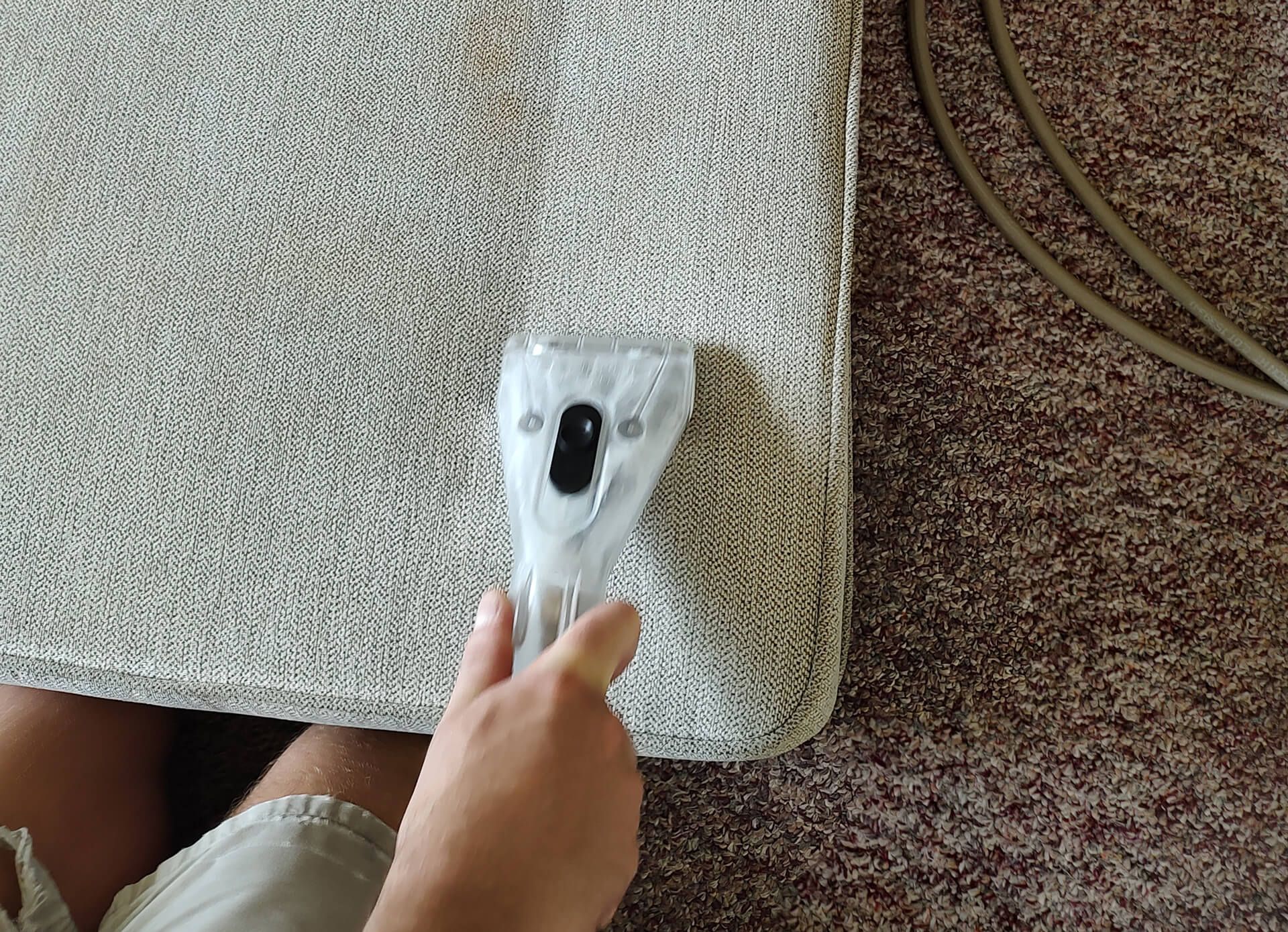
After the pre-spray loosens the soil, the technician uses a specialized hand tool to inject highly heated water into the fabric. The thermal energy instantly melts the sticky residue. Simultaneously, an industrial vacuum extracts the water, the dissolved oils, and the biological matter into a waste tank. By physically removing the organic soil, the odor is permanently eliminated. Property owners can schedule dedicated upholstery cleaning to ensure this targeted extraction is performed safely.
Protecting Indoor Air Quality During the Spring Thaw
The condition of a home's upholstery directly impacts the overall indoor air quality. Every time a person sits heavily on a dusty, uncleaned couch, the compression forces microscopic particles out of the cushion and into the breathing zone. During the late winter and early spring, this suspended dust exacerbates indoor allergies and respiratory irritation.
Removing the biological load from the furniture essentially resets the room's air filter. Once the heavy soils and pet dander are extracted from the couches and chairs, the ambient air quality of the entire living space improves. The room feels lighter and smells distinctly cleaner because the physical contaminants are gone.
This process is a critical component of seasonal home maintenance. Relying on professional cleaning for allergies ensures that the microscopic triggers hidden in soft furnishings are safely removed before the high-pollen days of spring arrive.
Establishing a Reliable Deep Cleaning Schedule
Upholstery requires consistent maintenance to prevent premature wear. Dirt and microscopic grit act as abrasive sandpaper. When people sit and move on a dirty couch, this grit grinds against the woven threads, causing the fabric to fray and look dull over time.
For standard residential homes, scheduling an extraction service for heavily used living room furniture once a year is standard practice. The optimal time for this service is late March or April. Extracting the furniture at this time completely removes the heavy accumulation of the closed-door winter months.
Homes with large indoor dogs or heavy wood-stove usage may require extraction twice a year to prevent permanent odors from setting into the foam cushions. Integrating upholstery care into a broader deep cleaning schedule ensures that expensive furniture assets are protected and the home remains welcoming and odor-free year-round.
Frequently Asked Questions
Can I use a rented carpet cleaner with an upholstery attachment on my couch?
Using rental machines on upholstery carries significant risk. These consumer-grade machines often lack the necessary vacuum lift to extract the water they inject. This leaves furniture cushions saturated with water. In a home environment, saturated foam cushions take days to dry, creating the perfect environment for mold and mildew growth deep inside the couch.
How long does furniture take to dry after professional upholstery steam cleaning?
Professional hot water extraction utilizes powerful truck-mounted or commercial-grade vacuum systems. These systems extract the vast majority of the moisture immediately during the cleaning pass. In a well-ventilated room with standard heating or ceiling fans running, most professionally cleaned upholstery will dry completely within four to six hours.
Will steam cleaning remove the musty smell from my pillows and cushions?
Yes. Musty smells are the direct result of biological matter breaking down organic soils, like skin cells and oils, trapped in the fabric. Hot water extraction physically washes this organic soil out of the material. By completely removing the food source and neutralizing the fabric, the musty odor is permanently eliminated.
How often should living room furniture be professionally cleaned?
For a typical household, upholstered furniture in high-traffic rooms should be professionally extracted every 12 to 18 months. Homes with multiple indoor pets, young children, or residents with severe indoor allergies benefit significantly from a more frequent cleaning schedule, often every 6 to 8 months, to manage the heavier organic load.
Is professional upholstery cleaning safe for homes with pets?
Professional extraction is highly recommended for homes with pets. The process physically removes heavy pet dander and body oils from the fabric. Professional technicians use specialized neutralizing rinses that leave no sticky chemical residue behind, ensuring the furniture is completely safe for both pets and humans immediately after it dries.
Conclusion
The arrival of spring should bring fresh air into the home, not highlight the stale odors left behind by winter. The "closed house" smell is a clear indicator that soft furnishings have reached their maximum capacity for absorbing environmental soils. Masking these odors with sprays or surface vacuuming only prolongs the issue. Utilizing professional upholstery steam cleaning is the scientifically sound method for breaking down heavy body oils, extracting organic matter, and neutralizing odors at their source. By prioritizing physical extraction, property owners can protect their furniture investments and restore a clean, healthy atmosphere to their living spaces.
For readers looking for additional information or professional support related to this topic, Flanders Cleaning Services provides residential and commercial cleaning services in the Upper Valley region of New Hampshire and Vermont. Learn more at https://www.flanderscleaning.com/.