
Post Renovation Deep Cleaning in the Upper Valley: How to Safely Remove Drywall Dust
Completing a home or commercial renovation project is a significant milestone. However, the departure of the construction crew rarely marks the true end of the project. A persistent, highly invasive byproduct remains behind: drywall dust. This fine, white powder coats floors, clings to walls, and circulates through the air, rendering newly renovated spaces uninhabitable.
Managing this specific type of construction debris requires precision. Treating it like standard household dirt often worsens the situation, permanently damaging floor finishes or ruining vacuum motors. Effectively removing this material requires understanding its physical properties and utilizing specialized extraction methods. For property managers and residents, executing a proper post renovation deep cleaning Upper Valley protocol is the necessary final step to safely occupy a newly updated space.
The Physical Behavior of Drywall Dust
Drywall is primarily composed of gypsum rock crushed into a fine powder and sandwiched between thick paper. When drywall joint compound is sanded down during the finishing phase of a renovation, it releases microscopic gypsum and silica particles into the environment.
These particles are exceptionally small, often measuring between one and ten microns in diameter. Because of their minimal mass, they do not fall immediately to the floor. Instead, they remain suspended in the ambient air. Even minor air currents created by walking through a room or opening a door will keep these particles circulating for hours.
This suspension creates a frustrating cycle during the cleanup phase. A surface may be wiped completely clean, only to be covered in a fresh layer of white powder the following morning. The dust continues to settle slowly from the ceiling and upper atmosphere of the room. Removing it permanently requires breaking this cycle of airborne suspension and settling.
The Limitations of Standard Household Cleaning Methods
The most common error made after a renovation is attempting to clean up the site using standard domestic tools. Standard equipment is engineered for loose hair, dry sand, and basic organic soil. It is not designed to handle high volumes of microscopic rock dust.
A standard upright household vacuum utilizes paper bags or basic foam filters. These filters easily catch larger debris, but fine gypsum dust passes directly through the porous material. The dust enters the vacuum motor, causing severe friction that can permanently destroy the machine. Furthermore, the vacuum exhausts the fine dust directly out the back vent, blowing the particles forcefully back into the air. While routine house cleaning manages daily environmental soil, construction dust requires industrial-grade particulate containment.
Wet mopping presents another significant failure point. Water reacts with dry gypsum powder to form a thick, heavy paste. Pushing a wet mop across a dusty floor forces this plaster-like paste deep into the grain of hardwood floors and the porous lines of tile grout. When the water evaporates, it leaves behind a stubborn white haze that bonds tightly to the floor finish. Removing this dried paste often requires harsh chemical strippers that can degrade the flooring material.
A Systematic Strategy for Drywall Dust Removal
Effective removal of construction dust relies on a strict top-to-bottom methodology and a commitment to dry-extraction before any moisture is introduced to the environment.
The process begins with air management. All HVAC systems must be turned off to prevent the ductwork from pulling the dust into the furnace filter and redistributing it throughout the building. Commercial air scrubbers equipped with high-efficiency particulate air (HEPA) filters should be placed in the room to actively pull suspended particles out of the air while the surfaces are being cleaned.
Once the air is managed, physical extraction begins at the highest point in the room. Ceilings, crown molding, the tops of ceiling fan blades, and the upper ledges of window frames must be vacuumed using a machine equipped with a sealed HEPA filter. A sealed HEPA system ensures that 99.97% of particles down to 0.3 microns are permanently trapped inside the canister.
After the dry vacuuming phase is complete on all vertical surfaces and floors, the damp wiping phase begins. Microfiber cloths are essential for this step. The microscopic synthetic loops of a microfiber cloth physically grab and hold the remaining dust, whereas a standard cotton rag simply smears it. The cloths should be folded into quarters, utilizing one clean square at a time, and rinsed frequently in a bucket of clean water. Understanding the precise sequence of this process via a deep cleaning schedule: when to hire professionals helps property owners avoid spreading the material further.
Restoring Carpets and Soft Furnishings
Hard surfaces are easily visible, making dust accumulation obvious. Soft surfaces, however, act as massive, hidden air filters. Carpets, area rugs, and upholstered furniture absorb airborne drywall dust deep into their fibers.
Running a standard vacuum over a carpet loaded with gypsum dust only removes the material resting on the very top of the pile. The vibration of the beater bar actually sifts the heavier dust downward, driving it deep into the primary backing of the rug. Gypsum and silica are highly abrasive materials. If left at the base of a carpet, this grit acts like microscopic sandpaper. Every time a person walks across the room, the grit grinds against the nylon or wool fibers, cutting them and causing the carpet to look permanently worn and dull.
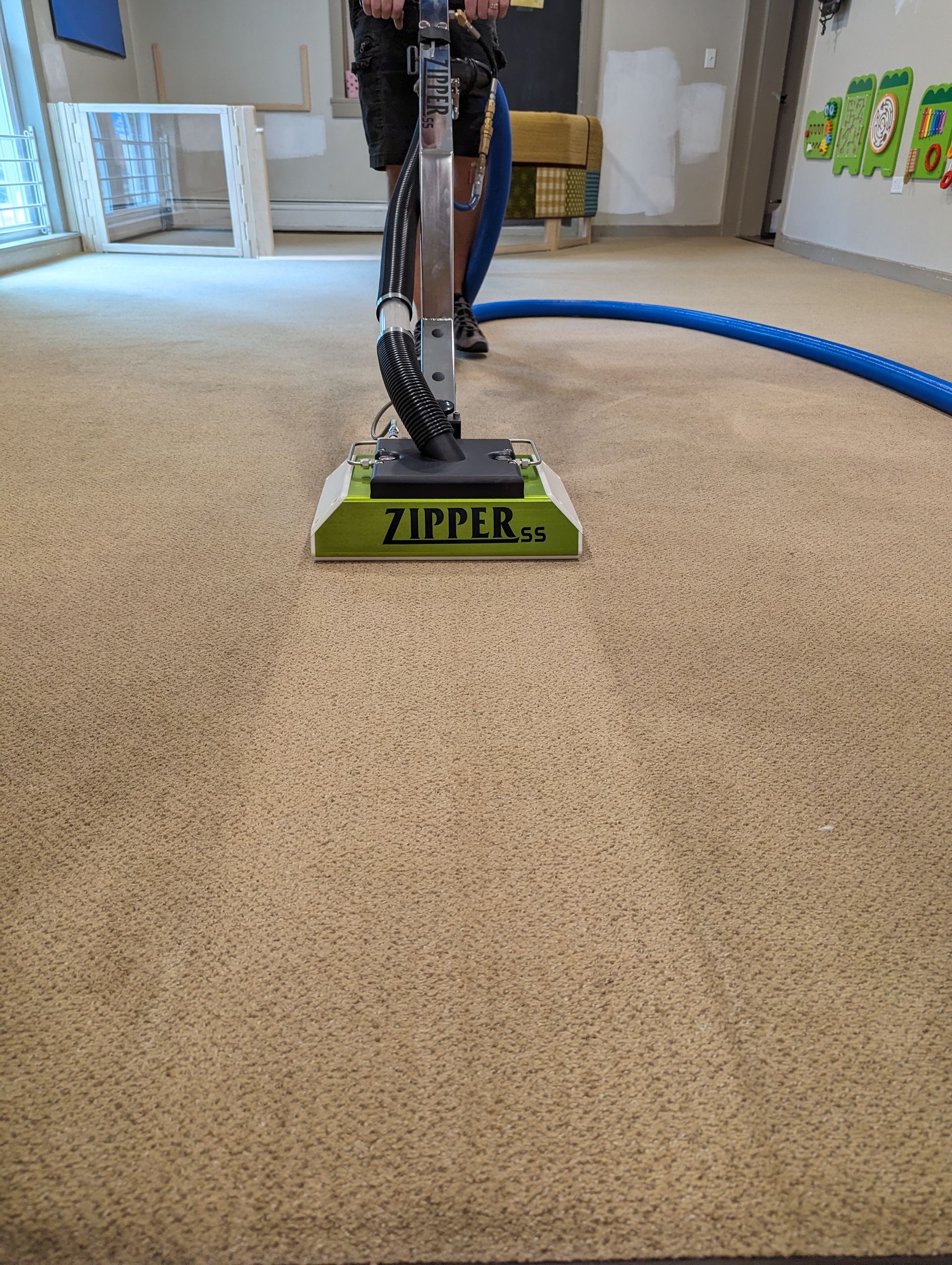
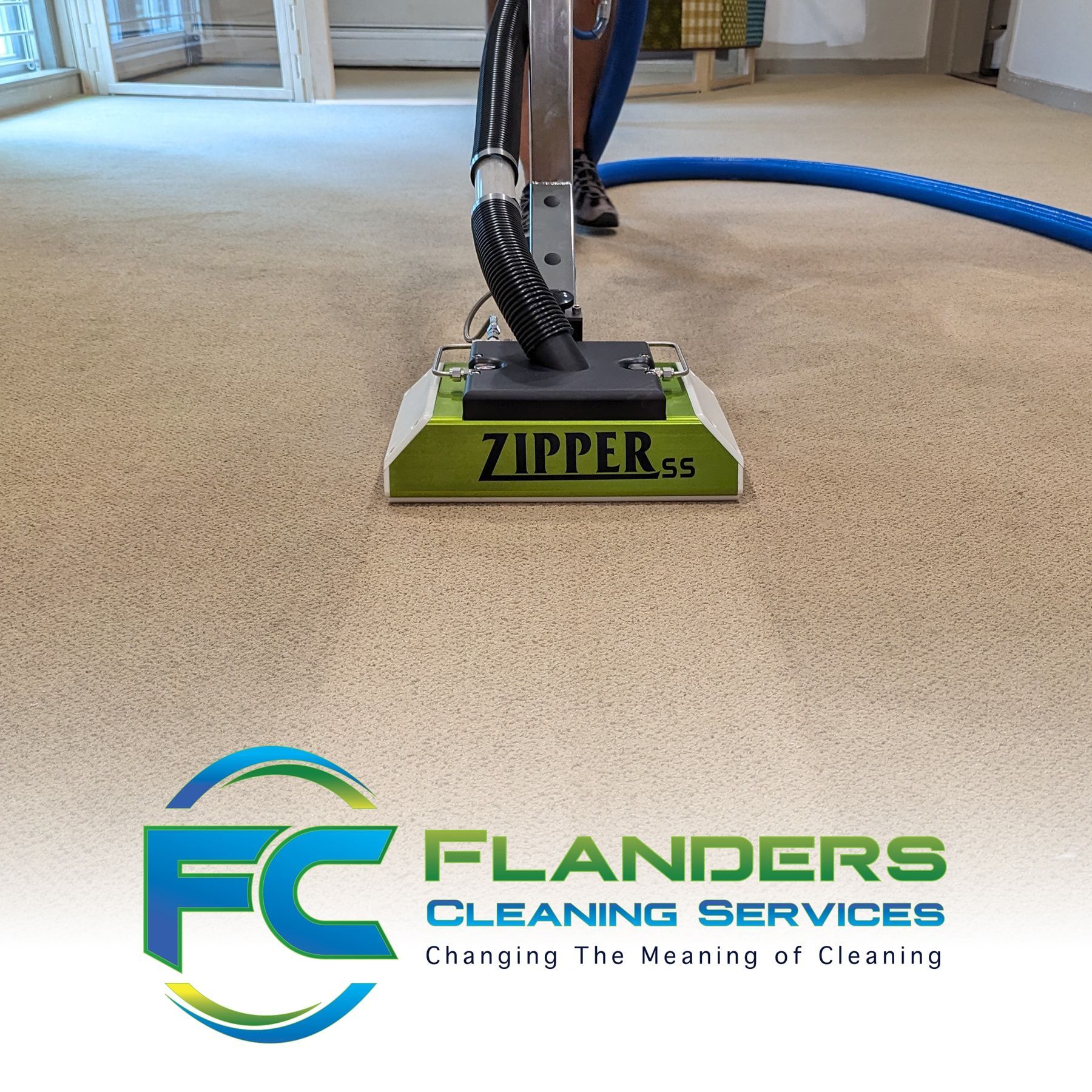
To safely remove this embedded abrasive material, physical extraction is necessary. Scheduling professional carpet cleaning utilizing hot water extraction effectively flushes the gypsum from the base of the flooring. High-temperature water is injected into the pile to suspend the heavy dust, while an industrial vacuum instantly extracts the water and the grit into a waste tank. This method protects the structural integrity of the fibers and neutralizes the dusty odor trapped in the room.
Planning Your Post Renovation Deep Cleaning in the Upper Valley
Timing is a critical component of construction cleanup. Initiating a deep clean while contractors are still sanding or installing trim is inefficient. The environment will immediately become contaminated again.
The ideal timeline requires waiting a minimum of 24 to 48 hours after all active sanding and cutting has ceased. This window allows the finest airborne particles to settle completely onto horizontal surfaces. Once the dust has settled, the extraction process can begin without the risk of immediate re-contamination.
Property owners must also address the building's mechanical systems. After the cleaning is complete, all HVAC filters must be replaced. All return vents should be vacuumed thoroughly to ensure no residual dust is pulled into the furnace when the system is turned back on. Executing a comprehensive post renovation deep cleaning Upper Valley strategy protects the health of the occupants and preserves the aesthetic value of the newly installed materials.
Frequently Asked Questions
How long does drywall dust stay suspended in the air?
Fine gypsum particles can remain airborne for several days following active sanding. Any airflow from open doors, ceiling fans, or HVAC systems will keep these microscopic particles circulating throughout the building.
To allow the dust to settle completely, the air in the room must remain still for at least 24 hours. After this settling period, horizontal and vertical surfaces can be effectively vacuumed and wiped down without the risk of becoming immediately recoated by falling dust.
Can drywall dust ruin my household vacuum?
Yes. Standard household vacuums are not designed to handle the fine micron size of gypsum dust. The particles easily bypass basic paper or foam filters and enter the vacuum's motor housing.
Once inside the motor, the abrasive dust damages moving parts and causes extreme friction. Additionally, because the filter cannot trap the dust, the vacuum exhausts the fine particulate directly back into the breathing zone of the room, completely defeating the purpose of the cleaning effort.
Should I use a wet mop to clean up construction dust on hard floors?
Using a traditional wet mop directly on thick drywall dust is highly discouraged. Water reacts with the dry gypsum powder to create a thick, heavy, plaster-like paste.
This paste pushes into the grout lines of tile and the grain of hardwood floors, drying into a stubborn white haze that is very difficult to remove. All loose dust must be removed with a dry HEPA vacuum before any damp wiping or mopping occurs.
How do I get fine drywall dust out of my carpets?
Dry vacuuming with a sealed HEPA filtration system is the mandatory first step. Multiple slow passes are required to extract the loose powder resting on the surface of the carpet fibers.
Because drywall dust is highly abrasive, any powder that falls deep into the carpet backing will slowly cut the fibers under the weight of foot traffic. For heavy accumulations, professional hot water extraction is required to flush the remaining abrasive grit out of the base of the carpet safely.
Will running my HVAC system help filter the dust out of the house?
Running an HVAC system during or immediately after drywall sanding is a major operational error. The system will pull the abrasive dust into the return vents and distribute it throughout the entire ductwork of the building.
This clogs the furnace filter rapidly and coats the interior of the ducts. Every time the heat or air conditioning turns on in the future, a new layer of dust will blow into the living spaces. The HVAC system should remain completely off until the initial dry cleanup is finished.
Conclusion
The completion of a renovation brings both excitement and a significant mess. Drywall dust is a unique environmental contaminant that defies standard cleaning protocols. Its microscopic size, abrasive texture, and ability to remain airborne demand a careful, physics-based approach to extraction.
Avoiding the use of domestic vacuums and wet mops prevents costly damage to equipment and new flooring surfaces. By prioritizing HEPA filtration, strict dry-extraction techniques, and systematic air management, property owners can effectively neutralize the hazard. Committing to a proper post renovation deep cleaning Upper Valley process ensures that the newly renovated space is not just visually appealing, but structurally safe and permanently dust-free.
For readers looking for additional information or professional support related to this topic, Flanders Cleaning Services provides residential and commercial cleaning services in the Upper Valley region of New Hampshire and Vermont. Learn more at https://www.flanderscleaning.com/.