
Connecticut River Valley Humidity: The Science of Mold Prevention Carpet Cleaning
Summer in the Upper Valley brings warm weather, but it also traps dense moisture along the Connecticut River. This regional humidity directly impacts the air quality and comfort of local homes and businesses. When warm, damp air settles into lower levels and basements, porous materials absorb the moisture. This creates an ideal environment for biological growth and persistent musty odors.
For property owners in New Hampshire and Vermont, relying on standard surface cleaning is not enough during July and August. Moisture penetrates deep into the backing of soft flooring, requiring a physical extraction process to remove the threat. Understanding the mechanics of mold prevention carpet cleaning is necessary to protect your flooring investments and maintain a healthy indoor environment throughout the humid season.
The Physics of Humidity in the Upper Valley
The geography of the Connecticut River Valley creates a natural basin. During the summer months, this basin traps heat and moisture, frequently pushing relative humidity levels above 70%. This atmospheric moisture does not just stay in the air; it interacts constantly with the materials inside your building.
Carpets and area rugs are naturally hygroscopic. This means the fibers, particularly natural materials like wool and common synthetics like nylon, actively absorb moisture directly from the humid air. When the indoor air becomes saturated, your carpet essentially acts as a massive sponge spread across your floor.
Moisture alone does not cause a musty smell. The odor requires a food source. Standard household dust is primarily composed of organic matter, including dead skin cells, pet dander, and microscopic food particles. When you combine this organic soil with high summer humidity and warm temperatures, you create the perfect biological breeding ground. The musty odor you smell is actually the off-gassing of microbial volatile organic compounds (mVOCs) as microscopic growth consumes the dirt trapped in your damp floor.
Why Dry Vacuuming Fails Against Summer Moisture
Vacuuming is a strictly mechanical process designed for dry environments. The suction of a standard upright vacuum is highly effective at removing loose, dry particulate matter like sand, dry soil, and pet hair. However, it is completely ineffective against moisture and the sticky biological residue that forms during humid conditions.
When humidity turns the dust in your carpet into a slightly damp, sticky residue, the bond between the soil and the carpet fiber becomes stronger than the airflow of a household vacuum. The vacuum simply brushes over the top of the embedded dirt. Furthermore, standard paper or foam vacuum filters cannot capture microscopic biological spores. The machine simply pulls them out of the carpet and exhausts them directly back into the breathing zone of your room, often making the musty smell temporarily worse.
To truly remove this embedded, damp soil, you must break the chemical and physical bond holding it to the fibers. For this level of restoration, expert carpet cleaning services provide the necessary physical extraction that a dry vacuum cannot achieve.
The Mechanics of Mold Prevention Carpet Cleaning
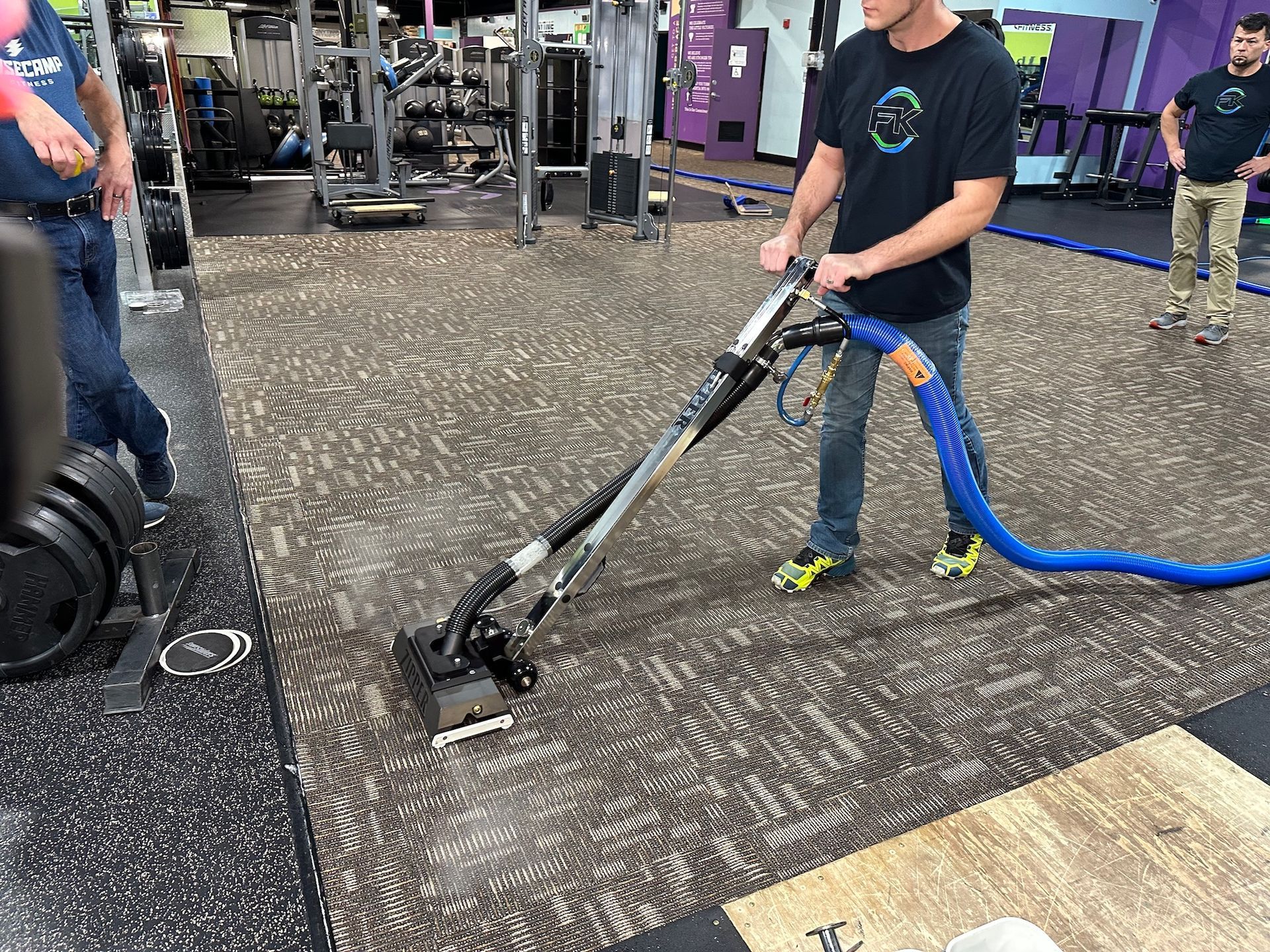
The professional standard for removing moisture and biological contaminants from flooring is Hot Water Extraction, commonly referred to as deep steam cleaning. This method relies on precise scientific principles rather than harsh chemicals to sanitize a space.
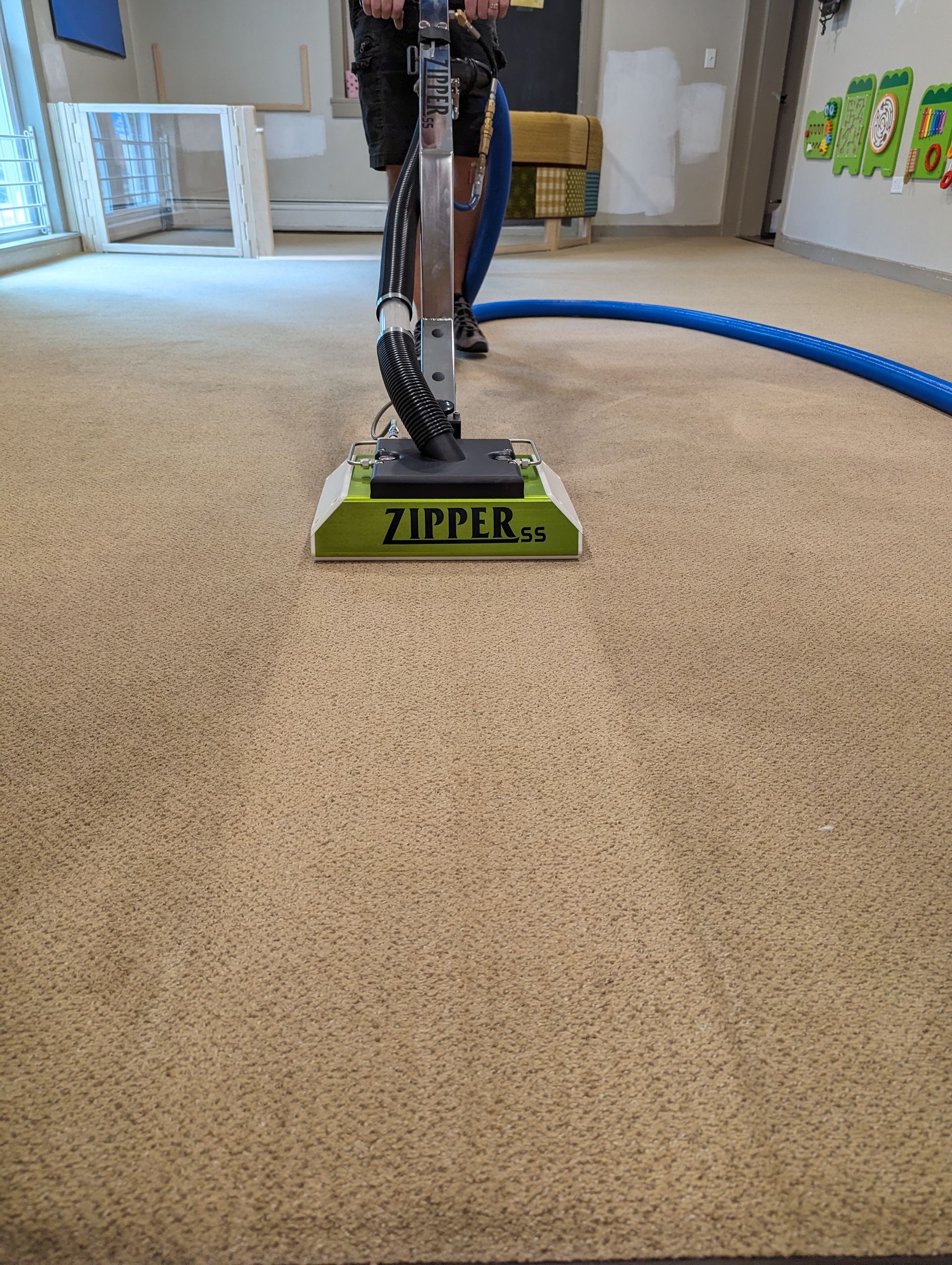
The process begins with thermal neutralization. Professional truck-mounted systems heat water to temperatures often exceeding 200 degrees Fahrenheit. When this high-temperature water is injected into the carpet pile, the thermal energy instantly breaks down biological matter and neutralizes the agents causing the musty odors.
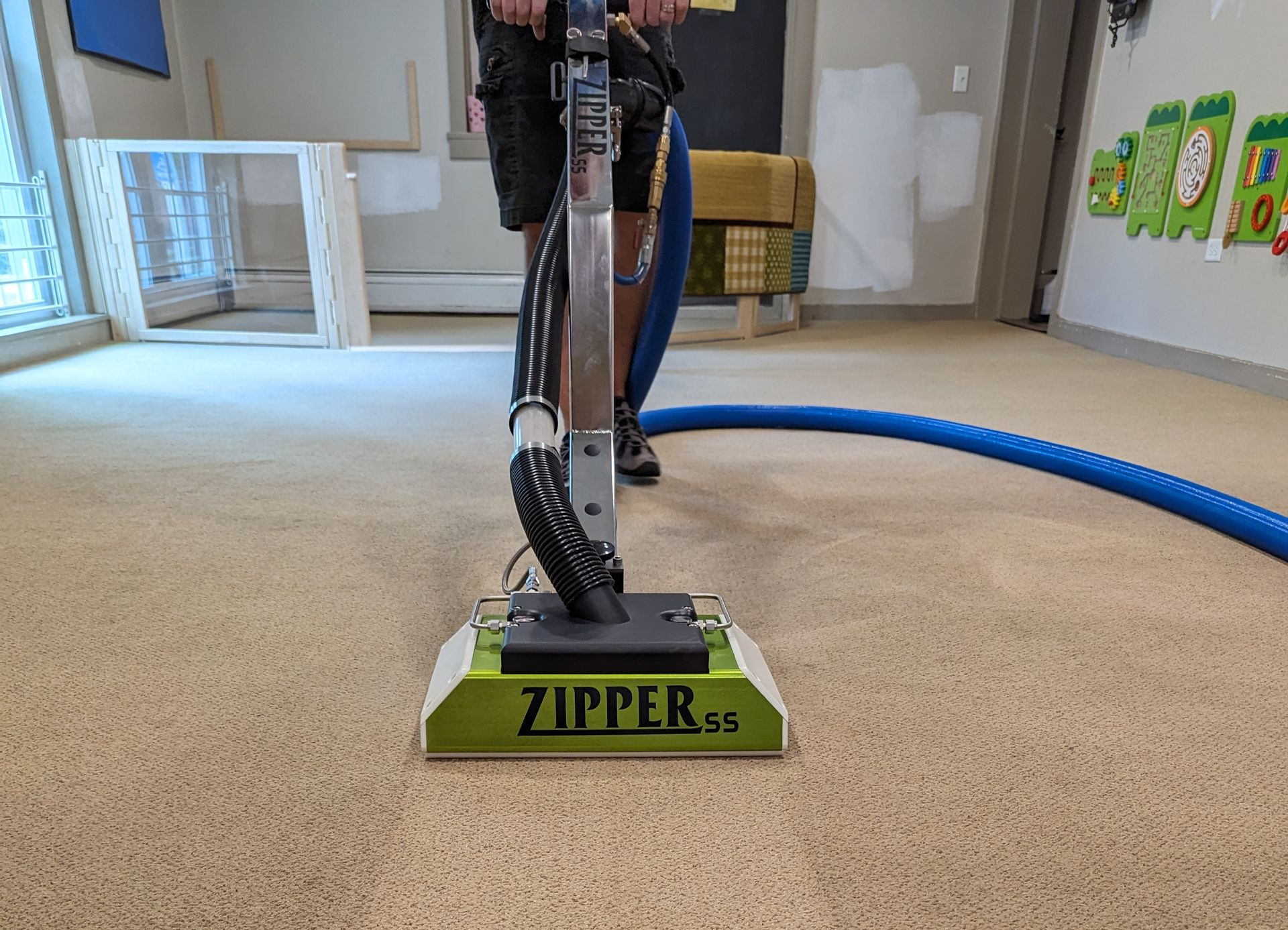
Simultaneously, the high heat softens the sticky, humid soil, allowing it to release its grip on the carpet fibers. Once the bond is broken, the most critical step occurs: extraction. A heavy-duty vacuum system instantly pulls the hot water, the dissolved soils, and the trapped atmospheric moisture out of the carpet and into a waste tank.
By physically removing the soil and the moisture, professional steam cleaning services fundamentally reset the condition of the floor. The carpet is left only slightly damp and dries rapidly in a few hours. This rapid drying process deprives any remaining microscopic particles of the water they need to survive and multiply.
Protecting Basements and Lower-Level Commercial Spaces
Basements and ground-floor concrete slabs face a unique thermodynamic challenge during the Upper Valley summer. Even when the outside air temperature reaches 90 degrees, the concrete foundation beneath your home or office remains cool, deeply influenced by the temperature of the surrounding earth.
When warm, humid summer air enters a basement, it eventually makes contact with the cool carpet resting on the concrete slab. As the warm air cools rapidly against the floor, it loses its ability to hold moisture. The water vapor turns into liquid water, condensing directly into the base of the carpet fibers and the padding below. This is the exact same physical process that causes a cold glass of water to sweat on a hot day.
This continuous condensation creates a permanently damp zone at the foundation of your building. Businesses with lower-level offices face the same physics. Without active moisture extraction, commercial-grade carpets develop a permanent musty smell that greets employees and customers every morning. Implementing regular commercial cleaning services that utilize hot water extraction keeps these highly vulnerable areas dry, sanitized, and smelling professional.
Strategic Timing for Extraction in New England
When managing property in New England, timing is a critical factor for preventative maintenance. Waiting to clean until a basement already smells strongly of mildew means the biological growth is already well-established within the environment.
The most effective strategy is to perform a thorough extraction in late June or early July, just as the regional humidity begins its sharp upward climb. By doing this, you extract the accumulated dirt and soil from the spring mud season. Removing this organic matter eliminates the primary food source before the peak moisture arrives.
A clean carpet absorbs far less moisture than a dirty carpet. When you pair a mid-summer extraction with the use of a properly sized household or commercial dehumidifier, you create a highly controlled indoor environment. The floor remains clean, the air remains dry, and the musty odors never have the opportunity to form.
Frequently Asked Questions
How often should I clean my carpets to prevent mold in the summer?
For homes and businesses near the river valley, a deep extraction once a year in the late spring or early summer is the standard recommendation for prevention. This removes the winter and spring soil buildup just before the heavy humidity sets in.
If your basement has a history of moisture issues or you experience a particularly wet summer, a secondary cleaning in late August may be necessary to extract the accumulated summer humidity. High-traffic commercial spaces often require quarterly extraction to maintain a safe, dry baseline.
Does hot water extraction leave my carpets wet and vulnerable to mold?
No, when performed by trained technicians using professional equipment. The term "water extraction" is literal. The truck-mounted systems we use possess massive vacuum lift, designed to recover the vast majority of the water injected into the carpet within seconds.
The carpet is left slightly damp to the touch, similar to clothing pulled from a high-speed washing machine spin cycle. In a properly ventilated home, the floor will dry completely within four to six hours. This rapid drying window is far too short for mold or mildew to develop. Over-wetting typically only occurs when using underpowered rental machines that lack adequate suction.
Can I use a dehumidifier instead of professional cleaning?
A dehumidifier is an excellent and necessary tool for controlling airborne moisture in a basement. However, it cannot replace physical cleaning. A dehumidifier only pulls water vapor from the air; it cannot remove the physical dirt, skin cells, and pet dander embedded deep within the carpet pile.
If your carpet is already loaded with organic soil, it will eventually smell musty even with a dehumidifier running. You must first extract the organic food source from the carpet. Once the carpet is professionally cleaned and dried, the dehumidifier will effectively maintain that clean state by keeping the ambient air dry.
What exactly causes the musty smell in my basement carpet?
The musty odor you detect is a gas called a microbial volatile organic compound (mVOC). These gases are the byproduct of biological growth.
When microscopic spores find a dark, damp environment with a food source (like the dust in your carpet), they begin to multiply. As they consume the organic matter, they release these mVOC gases into the air. If you smell a musty odor, you are actively inhaling the off-gassing of biological activity within your floor.
Are store-bought carpet shampoos effective for mold prevention?
Store-bought machines and liquid shampoos are generally counterproductive for mold prevention. Consumer-grade machines operate using hot tap water, which quickly cools. They lack the extreme heat required to neutralize biological matter on contact.
More importantly, these machines do not have the vacuum power to extract the soapy water they put down. They often leave a sticky detergent residue behind, along with significant moisture. This soapy moisture acts as a magnet for new dirt and actively accelerates biological growth in humid environments.
Conclusion
Managing property in the Connecticut River Valley requires a proactive approach to seasonal humidity. Musty odors and damp carpets are not an inevitable part of summer; they are the result of organic soil reacting with unmanaged moisture. Relying on dry vacuums or consumer-grade machines leaves the core problem untouched and often worsens the indoor air quality.
By understanding the science behind mold prevention carpet cleaning, property owners can take decisive action. Utilizing professional hot water extraction removes the organic food source and neutralizes the damp environment. Scheduling this deep extraction before the peak of summer ensures your home or business remains a clean, dry, and welcoming space, regardless of the humidity outside.
For readers looking for additional information or professional support related to this topic, Flanders Cleaning Services provides residential and commercial cleaning services in the Upper Valley region of New Hampshire and Vermont. Learn more at https://www.flanderscleaning.com/.