
Battling Upper Valley "Yellow Dust": Specialized Cleaning Tactics for Pine Pollen Season
Every May and June, homeowners and business owners in the Upper Valley face a predictable and highly visible environmental shift. A fine, yellow coating blankets porches, vehicles, and eventually, the interiors of our buildings. This is the pine pollen micro-season, a distinct period that requires a targeted approach to property maintenance. Managing this sticky residue is critical for preserving indoor air quality and protecting flooring investments.
Relying on standard dusting methods often falls short against this specific biological material. Effectively managing this seasonal intrusion requires specialized techniques rooted in the physics of extraction and surface care. Understanding the mechanics of pine pollen cleaning services is essential for maintaining a healthy, comfortable space when the northern New England forests enter their peak reproductive cycle
Understanding the Pine Pollen Micro-Season in the Upper Valley
New Hampshire and Vermont are heavily forested, leading to massive pollen dumps during the late spring. Pine pollen particles are uniquely structured. They are relatively large and heavy compared to other common allergens like ragweed. While they do possess small air sacs that allow them to travel on the wind, their mass causes them to fall out of the air quickly, resulting in dense, highly concentrated accumulations on the ground and building exteriors.
What makes pine pollen particularly difficult to clean is its physical chemistry. The individual grains have a slightly sticky, resinous coating. Nature designed this coating to help the pollen adhere to tree bark and female pine cones for reproduction. When tracked into a residential home or commercial building, this exact same resin causes the pollen to bond tightly to window sills, hardwood floors, and carpet fibers.
Unlike standard household dust composed of dead skin cells and fabric fibers, pine pollen does not easily brush away. It functions almost like a microscopic adhesive. When combined with the rising humidity of the Connecticut River Valley in late spring, this resinous dust can create a persistent, sticky film across your interior surfaces that attracts secondary dirt and oils.
Why Traditional Cleaning Fails Against Yellow Dust
Dry dusting is the most common mistake made during pollen season. Using a traditional feather duster or a dry cotton rag simply agitates the heavy pollen grains, breaking their slight bond with the surface and launching them into the indoor air. Because the particles are heavy, they float temporarily before settling right back onto the exact surfaces you just attempted to clean. Furthermore, dry cloths can generate an electrostatic charge that repels the pollen rather than capturing it.
Standard vacuuming presents a similar mechanical failure. Many consumer-grade household vacuums lack true HEPA (High-Efficiency Particulate Air) filtration. As the machine suctions up the pollen from hard floors or carpets, the microscopic particles pass straight through the standard paper or foam filter. The vacuum then exhausts these particles directly back into the room.
This process essentially takes the localized pollen from your floor and redistributes it evenly throughout the breathing zone of the building. Instead of improving indoor air quality, improper vacuuming worsens it by suspending the allergens in the air for hours. Combatting this requires equipment designed specifically for particulate containment.
Interior Strategies and Pine Pollen Cleaning Services
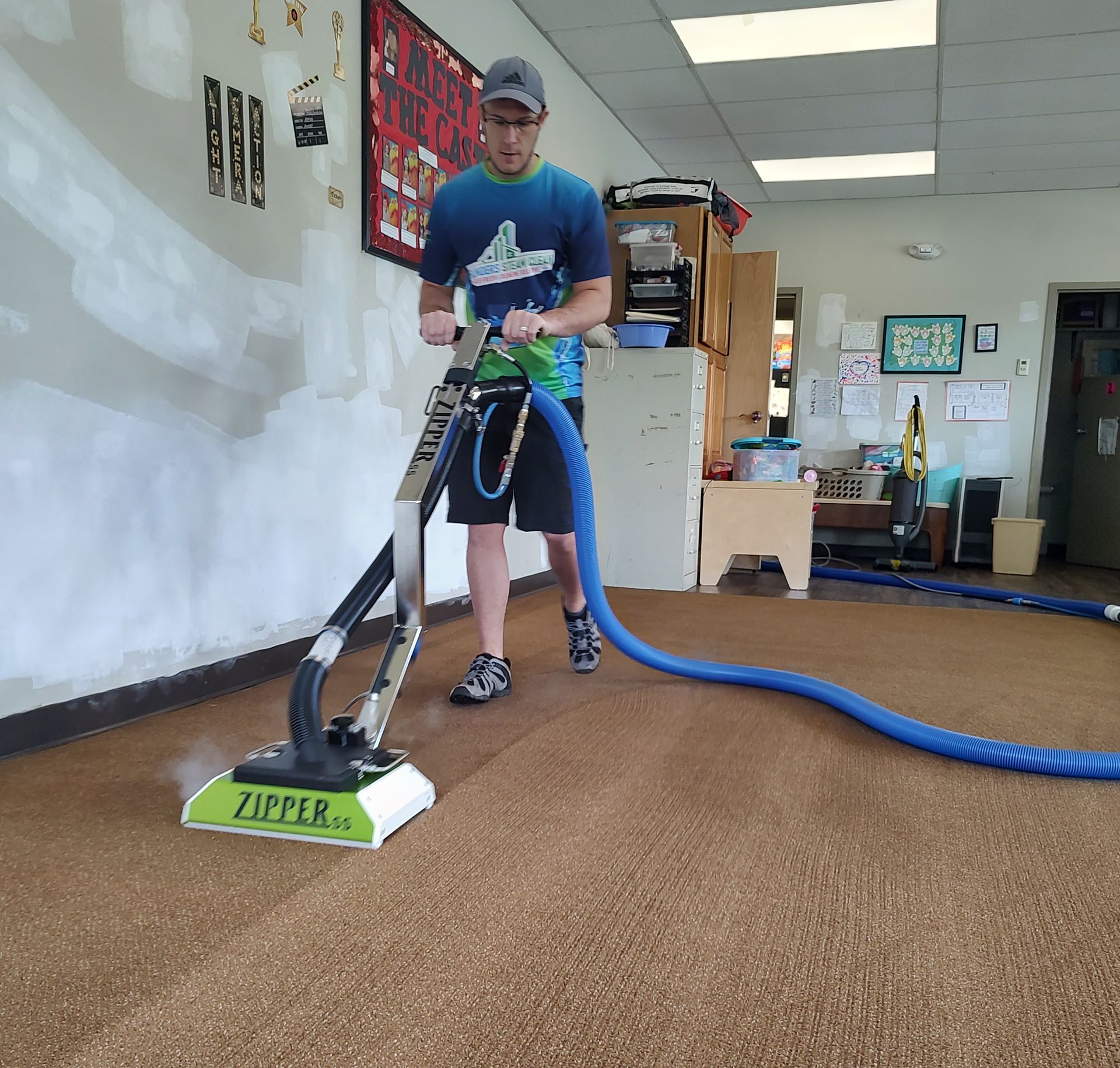
To physically remove pine pollen without redistributing it, damp wiping is a mandatory tactic for all hard surfaces. We utilize commercial-grade microfiber cloths lightly dampened with water or a mild, pH-neutral cleaning solution. Microfiber contains thousands of tiny synthetic loops per square inch. These loops physically trap the sticky pollen grains and hold them within the cloth, rather than pushing them across the surface.
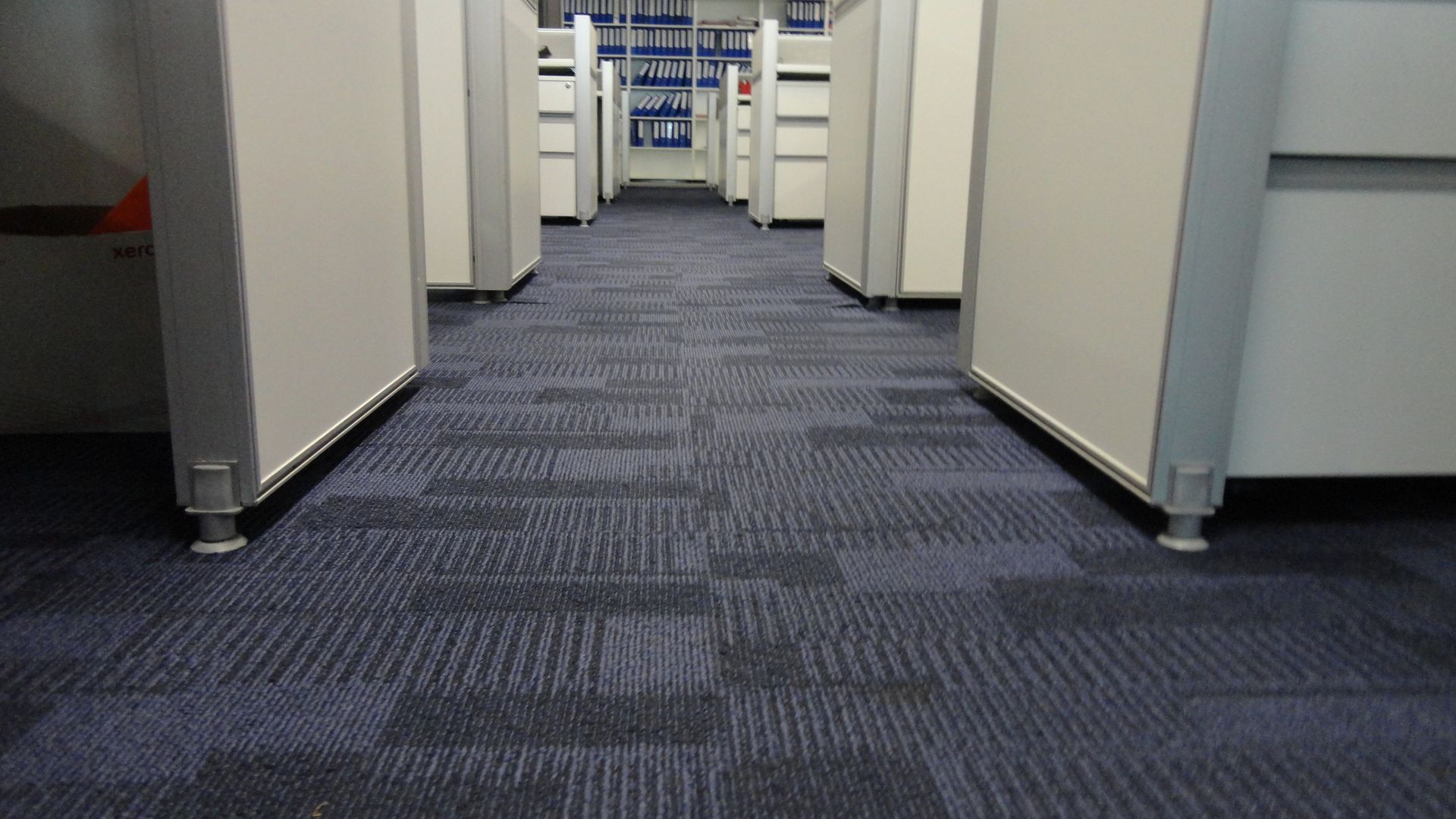
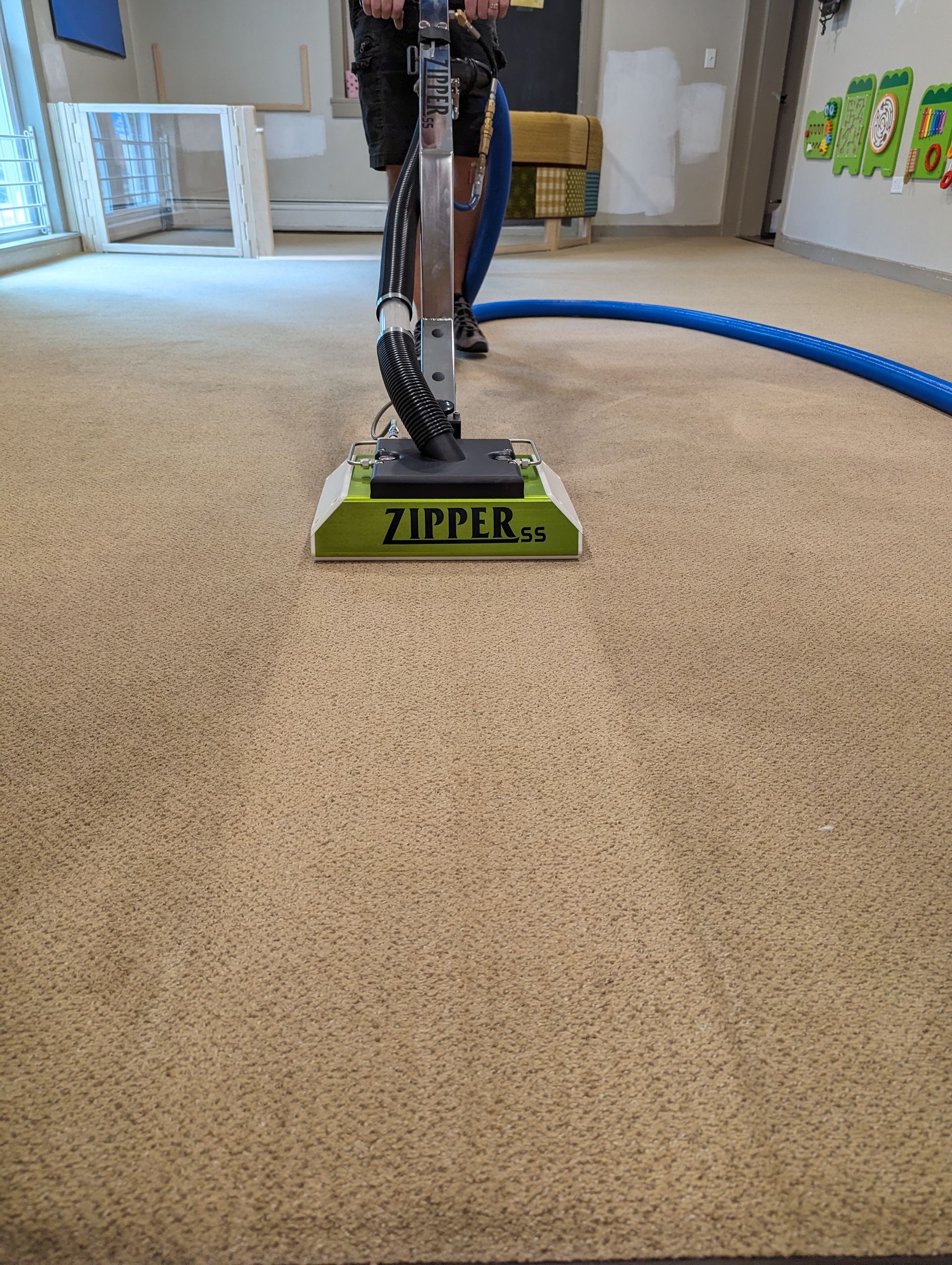
For textiles and soft flooring, suction alone is rarely enough to break the resinous bond. The sticky nature of pine pollen allows it to cling aggressively to the nylon or wool fibers of your flooring. Our approach utilizes high-temperature steam extraction, officially known as Hot Water Extraction. The thermal energy from the high-temperature water softens the sticky biological residue, while a specialized neutralizing rinse breaks the chemical bond between the pollen and the carpet fiber.
This is where professional intervention becomes highly effective for property preservation. Homeowners dealing with severe seasonal accumulation often utilize professional carpet cleaning to extract this embedded pollen from deep within the pile. This targeted extraction prevents the heavy pollen grains from acting as an abrasive grit. Left untreated, that grit slowly saws against the carpet fibers under the weight of foot traffic, causing premature wear and dulling the appearance of the floor.
Maintaining Hard Surfaces and Entryways
The entryway acts as the primary defense line against the yellow dust. During May and June, implementing a strict "shoes-off" policy prevents the vast majority of outdoor pollen from migrating into main living areas. High-quality walk-off mats should be placed both outside and inside all exterior doors to capture the material before it travels.
These mats must be actively maintained to remain effective. Simply shaking them out on the front porch moves the pollen a few feet away, where the wind will easily blow it right back inside the next time the door opens. Entryway mats require regular, powerful extraction to empty their holding capacity.
For daily maintenance, relying on scheduled house cleaning ensures that hard floors are consistently damp-mopped with appropriate solutions. Mopping captures the stray pollen that manages to bypass the entryway mats. Removing it from the hard surfaces prevents it from becoming airborne due to drafts, opening doors, or the sudden airflow of an HVAC system turning on. Care must be taken to use pH-neutral floor cleaners, as aggressive alkaline soaps can slowly degrade the protective finish on hardwood or luxury vinyl plank flooring.
Commercial Spaces: Protecting Indoor Air Quality
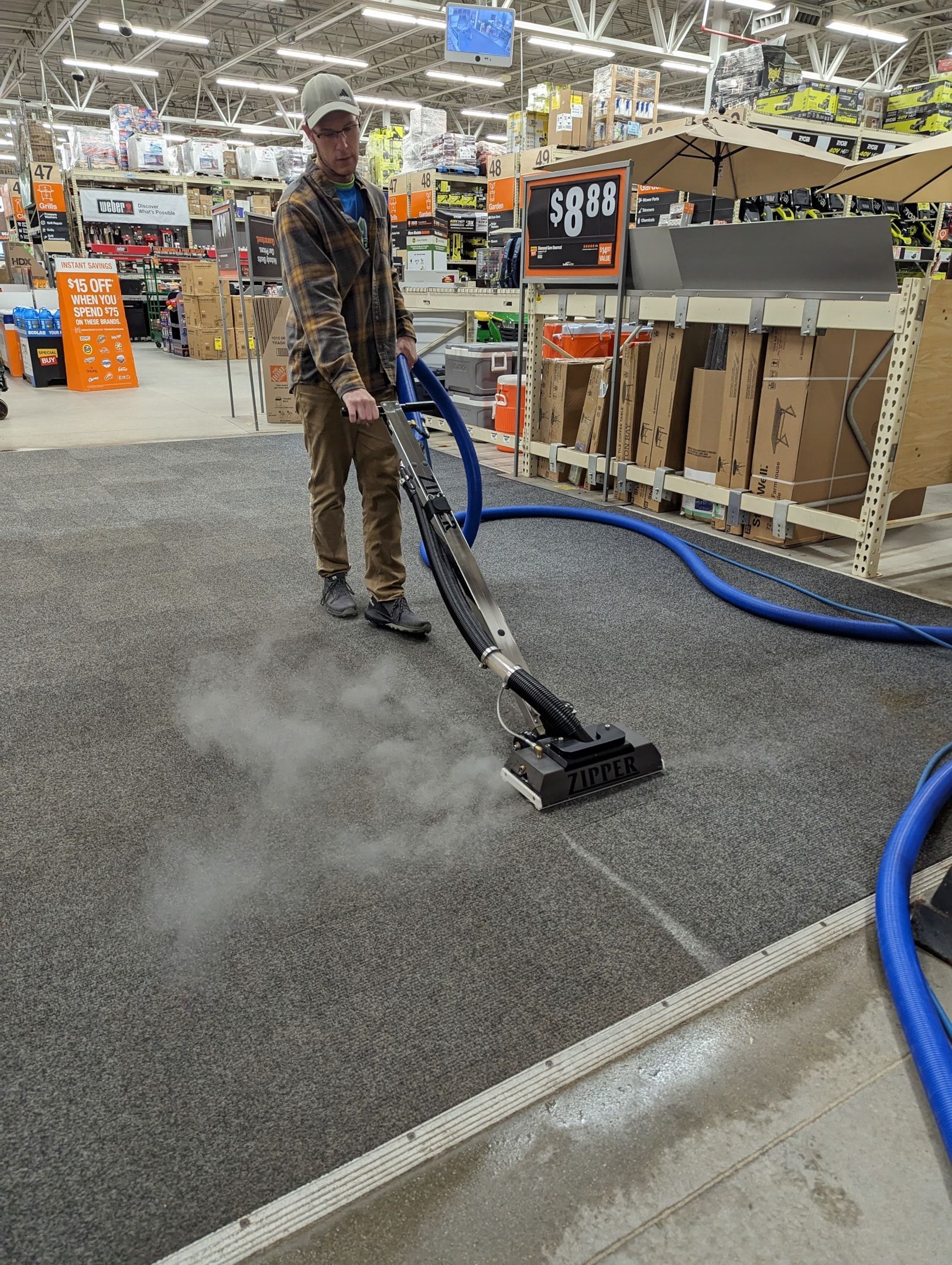
Business owners face a magnified challenge during the pollen micro-season. High foot traffic means a continuous, heavy influx of yellow dust into lobbies, waiting rooms, and retail floors. A pollen-coated interior signals poor facility maintenance to customers and can trigger significant respiratory discomfort for employees, directly impacting workplace productivity.
Commercial HVAC systems play a massive role in managing airborne particulates during this time. Facility managers must ensure that high-MERV air filters are installed and changed more frequently during the late spring. If the filters become saturated, the HVAC system will simply cycle airborne pollen continuously throughout the ductwork of the entire building.
Daily surface management is also critical for commercial environments. Implementing structured commercial cleaning services guarantees that high-touch areas, reception desks, and hard flooring are neutralized daily. By maintaining a rigorous extraction and damp-wiping schedule, businesses can control the biological load indoors, keeping their environment professional, clean, and comfortable despite the heavy environmental stressors occurring just outside their doors.
Frequently Asked Questions
How long does the pine pollen season last in the Upper Valley?
The heavy pine pollen season typically begins in mid-May and extends through late June. The exact timing fluctuates annually based on spring temperatures, late frosts, and regional rainfall patterns.
Once the major pine species finish their pollination cycle, you will notice a sharp, distinct decline in the visible "yellow dust" accumulating on exterior surfaces. Heavy summer rains often help clear the air and wash the residual pollen out of the trees and off the exterior of buildings.
Does vacuuming help remove pine pollen from carpets?
Vacuuming is helpful only if your machine utilizes a sealed HEPA filtration system. A true HEPA filter traps 99.97% of particulates, ensuring the microscopic pollen grains remain securely inside the vacuum canister.
If you use a standard household vacuum with paper or basic foam filters, the machine will likely exhaust the fine pollen dust directly back into the air. This mechanical agitation suspends the allergens in your breathing zone, which temporarily degrades your indoor air quality and allows the pollen to settle onto higher surfaces like tables and countertops.
Why does pine pollen feel sticky compared to regular dust?
Pine pollen is biologically designed to adhere to tree surfaces for reproduction. To achieve this successful transfer, the pollen grains have a slight resinous or waxy coating applied by nature.
This natural stickiness causes the pollen to bond tightly with window screens, patio furniture, and indoor flooring. It requires moisture, mild heat, or light friction to break this chemical bond, which is why dry dusting simply brushes over the top of the pollen rather than removing it.
Can pine pollen damage exterior surfaces or window screens?
While pine pollen itself is not corrosive, the sticky resin can trap moisture and other abrasive atmospheric dirt against your home's exterior siding. Over time, this wet, dirty mixture can degrade paint finishes or stain porous surfaces if left unattended for multiple seasons.
On window screens, thick pollen accumulation physically restricts airflow and reduces the amount of natural light entering the home. Gently washing your screens with mild soap and water in early July, after the season ends, is an effective and necessary maintenance step.
How often should I clean my home during pine pollen season?
During the peak weeks of late May and early June, high-traffic entryways and main living areas benefit from daily damp mopping and wiping. Controlling the pollen directly at the door is the most effective way to prevent it from spreading throughout the entire building.
For a thorough reset, scheduling a deep hot water extraction for your carpets and upholstery at the end of June effectively removes the season's accumulation. This targeted extraction eliminates the embedded biological material, restoring your indoor air quality for the humid summer months.
Conclusion
The annual arrival of yellow dust is an unavoidable aspect of living and working in northern New England. However, its impact on the comfort and cleanliness of your property does not have to be permanent. Standard cleaning methods involving dry dusters and basic vacuums will only recirculate the problem, keeping the heavy allergens suspended in your environment.
By utilizing damp wiping techniques, certified HEPA filtration, and professional hot water extraction, property owners can effectively capture and permanently remove this sticky residue. Prioritizing targeted pine pollen cleaning services during this specific micro-season ensures your interior spaces remain healthy, clean, and structurally protected throughout the spring.
For readers looking for additional information or professional support related to this topic, Flanders Cleaning Services provides residential and commercial cleaning services in the Upper Valley region of New Hampshire and Vermont. Learn more at https://www.flanderscleaning.com/.