IICRC Certified vs. The Gig Economy: Why Expertise Matters for Your Home’s Insurance?
In the era of on-demand services, it has become incredibly easy to summon a stranger to your door with a single tap on a smartphone. From ride-shares to food delivery, the "gig economy" has prioritized convenience and speed above all else. Recently, this model has expanded into home services, allowing homeowners to book cleaners through third-party apps that promise the lowest possible price. While this might seem efficient for a quick tidy-up, inviting an unvetted, untrained worker into your home to perform technical cleaning tasks carries significant financial risks—specifically regarding your property insurance and asset warranties.
For residents in New Hampshire and Vermont, where homes often feature high-value investments like hardwood flooring, wool area rugs, and custom upholstery, the distinction between a "gig worker" and an IICRC certified cleaner in the Upper Valley is not merely about the quality of the clean. It is a matter of liability and asset protection.
When you hire a professional service, you are paying for the assurance that the technician understands the physics of fiber care and carries the appropriate insurance to protect you if something goes wrong. Conversely, relying on an app-based contractor often means bypassing these critical safeguards. This article explores the hidden costs of the gig economy and why certification is the only true safety net for your home.
What Does "IICRC Certified" Actually Mean?
The acronym IICRC stands for the Institute of Inspection Cleaning and Restoration Certification. This non-profit organization establishes the global standards for the cleaning and restoration industries. When a technician or a firm holds this certification, it signifies that they have undergone rigorous coursework and practical testing in specific disciplines, such as carpet cleaning, upholstery restoration, or water damage mitigation.
A common misconception is that cleaning is simply "scrubbing dirt." In reality, effective deep cleaning is a complex chemical process. An IICRC-certified technician is trained in the four fundamentals of soil suspension (often referred to as T.A.C.T.): Time, Agitation, Chemical Action, and Temperature.
For example, they understand that natural fibers like wool require a neutral pH cleaning solution to prevent chemical burns, whereas synthetic nylon fibers need a different alkalinity level to release oil-based soils without stripping the factory-applied stain blockers. An uncertified gig worker, often equipped with a rental machine and a generic "all-purpose" detergent, lacks this foundational knowledge. They may succeed in removing visible dirt, but they often leave behind a chemical imbalance that accelerates fiber degradation or causes rapid re-soiling.
The Hidden Insurance Gap: "Workmanship" Exclusions
One of the most alarming risks associated with hiring unverified workers is the assumption of coverage. Many homeowners believe that if a service provider damages their property—for example, by spilling bleach on a carpet or scratching a hardwood floor—their homeowner’s insurance will cover the repair.
This is often incorrect. Most standard homeowner policies contain exclusions for "faulty workmanship" or damage caused by contractors you have hired. The expectation is that the contractor’s liability insurance should cover the damage.
Here lies the problem with the gig economy model:
1. Lack of Coverage: Many independent contractors working through apps carry no personal liability insurance, or they carry the bare minimum required to sign up for the platform.
2. The "Platform Shield": The apps themselves often classify workers as independent contractors, legally distancing the corporation from liability for damages caused by the worker.
If an uninsured worker ruins a $5,000 silk rug or floods your bathroom by mishandling equipment, you may be left with no recourse but a small claims court lawsuit, which is often fruitless against an individual with limited assets. In contrast, a professional commercial cleaning service or residential firm maintains comprehensive General Liability insurance and "Bailee’s Coverage" (specifically covering property under their care, custody, and control), ensuring that your assets are financially protected.
Voiding Your Warranty: The Fine Print on Your Floors
Beyond immediate accidental damage, there is the long-term issue of manufacturer warranties. If you have installed new carpeting in the last decade, your warranty likely comes with a very specific maintenance clause.
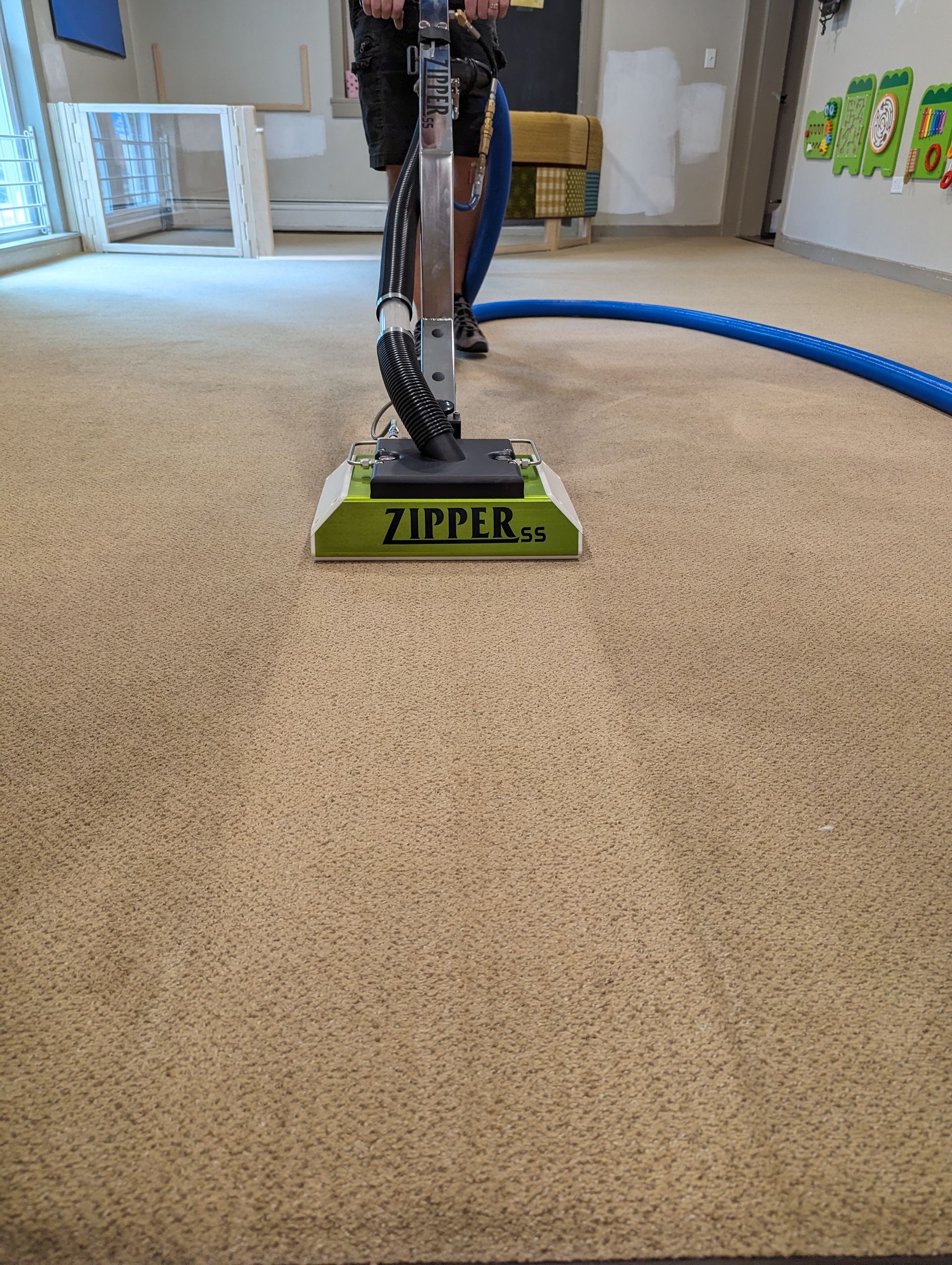
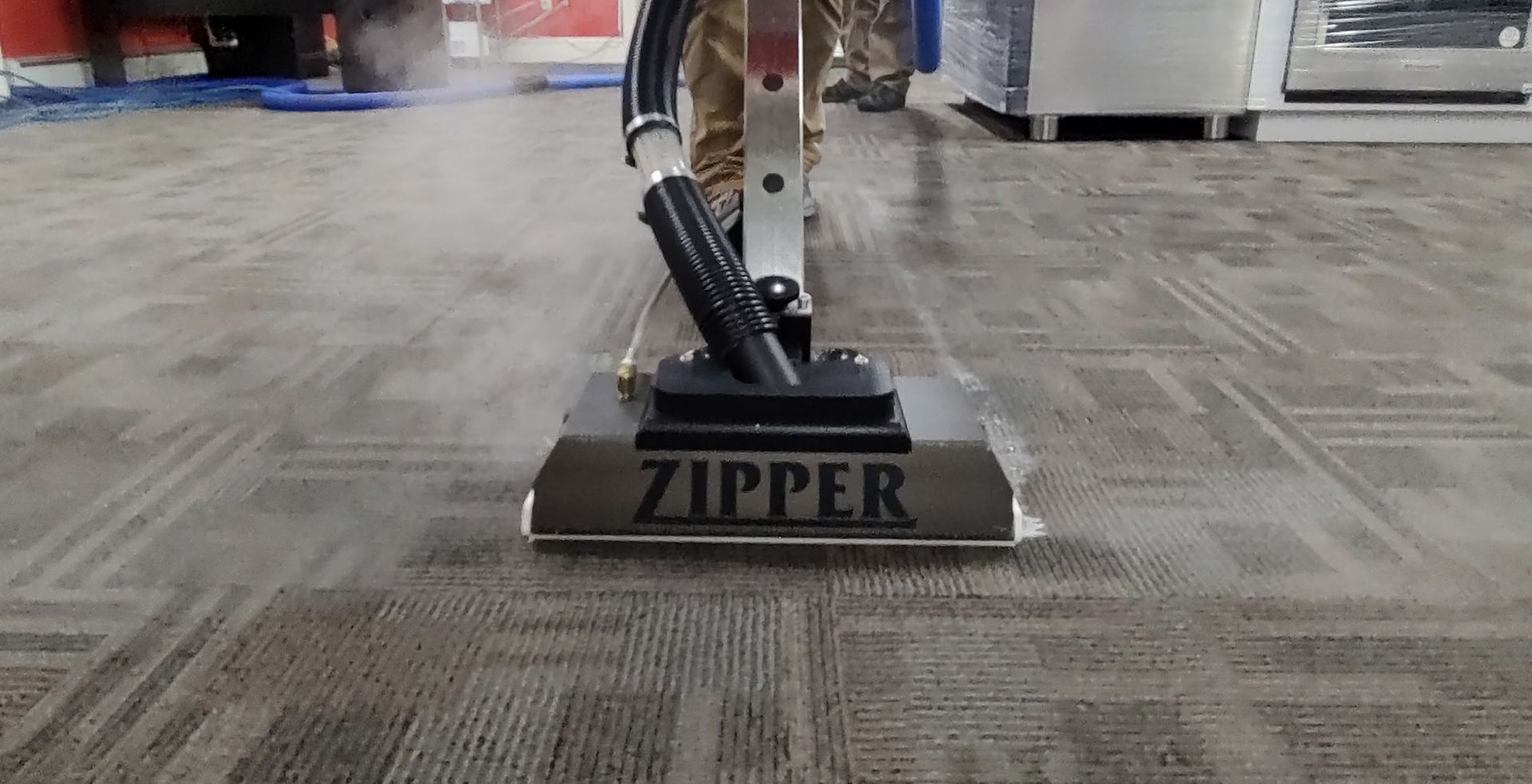
Major flooring manufacturers, including Shaw and Mohawk, explicitly state that to maintain the warranty, carpets must be cleaned at specific intervals (usually every 12 to 18 months) by a professional service using Hot Water Extraction. Crucially, many warranties now mandate that the service provider must be an IICRC-certified firm.
Why do manufacturers insist on this? Because they know that improper cleaning is a leading cause of premature carpet failure.
• Over-wetting: Using too much water or insufficient extraction power can delaminate the carpet backing (separation of the layers) and lead to mold growth.
• Residue: Leaving soapy residue behind acts as a magnet for dirt, causing the carpet to "ugly out" years before it physically wears out.
By hiring a gig worker with a portable machine, you are likely failing to meet the standards required by your warranty. If you later file a claim for a defect in the carpet, the manufacturer may ask for proof of professional service. A receipt from an app-based gig worker will not suffice if the method used does not meet the IICRC S100 Standard. Professional expert carpet cleaning services provide the documentation necessary to keep your warranty valid.
The Chemistry of Risk: pH and Fiber Burn
The science of cleaning revolves around the pH scale. Soils are generally acidic, so cleaners use alkaline solutions to neutralize and remove them. However, the margin for error is slim.
• Wool and Natural Fibers: These are highly sensitive to alkalinity. Using a high-pH cleaner (common in grocery store rental machines) on a wool rug can cause "chemical burn," turning the fibers yellow or brittle permanently.
• Stain-Resistant Nylon: Modern carpets are treated with acid dye blockers. If a cleaner uses a cationic (positively charged) cleaning agent or an overly aggressive alkaline solvent, it can strip this protection off the fiber, rendering the carpet susceptible to permanent staining from simple spills like wine or coffee.
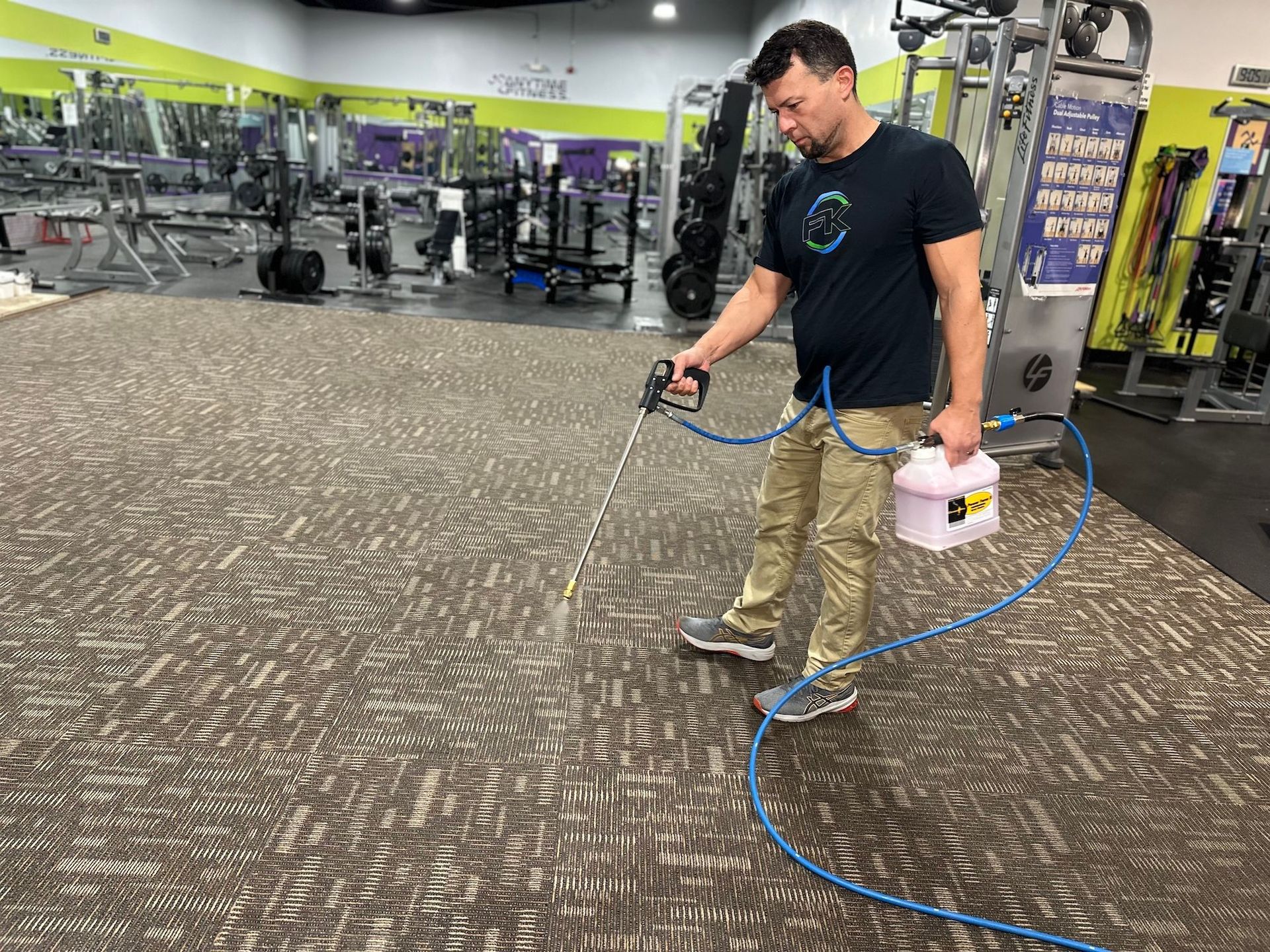
An IICRC-certified technician carries a range of cleaning agents and—more importantly—testing tools to identify the fiber type before applying any chemistry. They rinse the fabric with a neutralizing agent to return the pH to a neutral state, leaving the fibers soft and stable. This level of technical precision is simply not available in the gig economy model, where a "one-soap-fits-all" approach is the standard. For delicate items, such as those addressed in specialized upholstery cleaning, this expertise is the difference between restoration and ruin.
Vetting vs. Availability: Who Is Entering Your Sanctuary?
Finally, there is the matter of physical security. Your home is your sanctuary, filled with your most personal possessions and loved ones. The traditional cleaning industry was built on a foundation of long-term trust. Companies would hire staff as employees, conduct background checks, train them, and retain them for years. You often knew your cleaner’s name and saw the same face every month.
The gig economy flips this dynamic. It prioritizes availability over continuity. You might get a different person every time, matched solely by an algorithm based on who is nearest to your zip code. While many gig workers are honest individuals looking for work, the vetting processes of large apps have historically been less rigorous than those of local, family-owned businesses who live in the community they serve.
When you hire a local, certified firm, you are hiring a company that has a reputation to uphold in the Upper Valley. They are accountable to their neighbors. If a key goes missing or a door is left unlocked, you have a local office to call, not an anonymous support chat bot.
Frequently Asked Questions
Does my homeowner's insurance cover damage caused by a cleaning service?
Typically, no. Most policies have exclusions for damage caused by contractors or "faulty workmanship." You are expected to hire a company that carries its own General Liability insurance. If you hire an uninsured gig worker, you are exposing yourself to a coverage gap where you might have to pay for damages out of pocket.
Why is IICRC certification important for carpet cleaning?
The IICRC (Institute of Inspection Cleaning and Restoration Certification) sets the industry standards for cleaning. Certification ensures the technician has been trained in fiber identification, chemistry, and safety. It is often a requirement to maintain the manufacturer's warranty on your carpeting.
Can a gig worker use the same equipment as a certified professional?
It is unlikely. Professional truck-mounted hot water extraction units cost tens of thousands of dollars and require training to operate. Most gig workers use portable units or rental machines, which lack the heat (to kill bacteria) and the vacuum power (to extract water) of professional equipment, often leaving carpets wet for too long.
What happens if a cleaner uses the wrong cleaning solution on my rug?
Using an incorrect solution (incorrect pH) can cause permanent damage. It can strip stain protection from nylon, cause "browning" or color bleeding in natural fibers like wool and cotton, and leave a sticky residue that attracts dirt. Certified cleaners test fibers first to choose the safe chemistry.
Is it more expensive to hire a certified cleaning company?
While the hourly rate or per-room cost may be higher than an app-based worker, the value is significantly greater. You are paying for insurance, specialized equipment, trained labor, and the guarantee that your expensive flooring assets won't be ruined. In the long run, professional maintenance extends the life of your floors, saving you the replacement costs.
Conclusion
The allure of the gig economy is powerful; it offers immediate solutions at competitive prices. However, when it comes to maintaining the structural integrity and aesthetic value of your home, "cheaper" often comes with hidden costs. The risks of voided warranties, uninsured liability, and chemical damage to your fabrics are real and substantial.
By choosing an IICRC-certified cleaner in the Upper Valley, you are investing in a standard of care that protects your home. You are ensuring that the person walking through your door is a vetted professional equipped with the knowledge to restore your property safely. In a world of shortcuts, expertise remains the only true insurance for your peace of mind.
For readers seeking additional information or professional support on this topic, Flanders Cleaning Services is an IICRC-certified cleaner and offers residential and commercial cleaning services in the Upper Valley region of New Hampshire and Vermont. Learn more at https://www.flanderscleaning.com/.