
Surviving Mud Season in the Upper Valley: Pro Tips to Protect Your Floors
Introduction: When Spring Arrives Muddy in the Upper Valley
If you live in the Upper Valley of New Hampshire or Vermont, you know the drill. Just when you're ready to celebrate the end of winter, Mother Nature delivers mud season—that messy stretch between frozen ground and actual spring when unpaved roads turn to soup, driveways become obstacle courses, and every trip outside means tracking half the yard into your home.
For Upper Valley homeowners, mud season isn't just an inconvenience. It's a direct threat to your floors. Whether you've invested in beautiful hardwood, elegant slate tile, or durable vinyl, the relentless parade of mud, grit, sand, and moisture can cause serious damage if you're not prepared.
The good news? Mud season doesn't have to ruin your floors. With the right strategies, local expertise, and proactive care, you can preserve the beauty and value of your home through even the muddiest March and April. This guide shares professional insights from years of Upper Valley mud season cleaning experience to help you protect what matters most.
Understanding How Mud Season Damages Your Floors
The Triple Threat: Mud, Grit, and Moisture
Mud season attacks your floors on three fronts simultaneously, and understanding each component helps you defend against all of them.
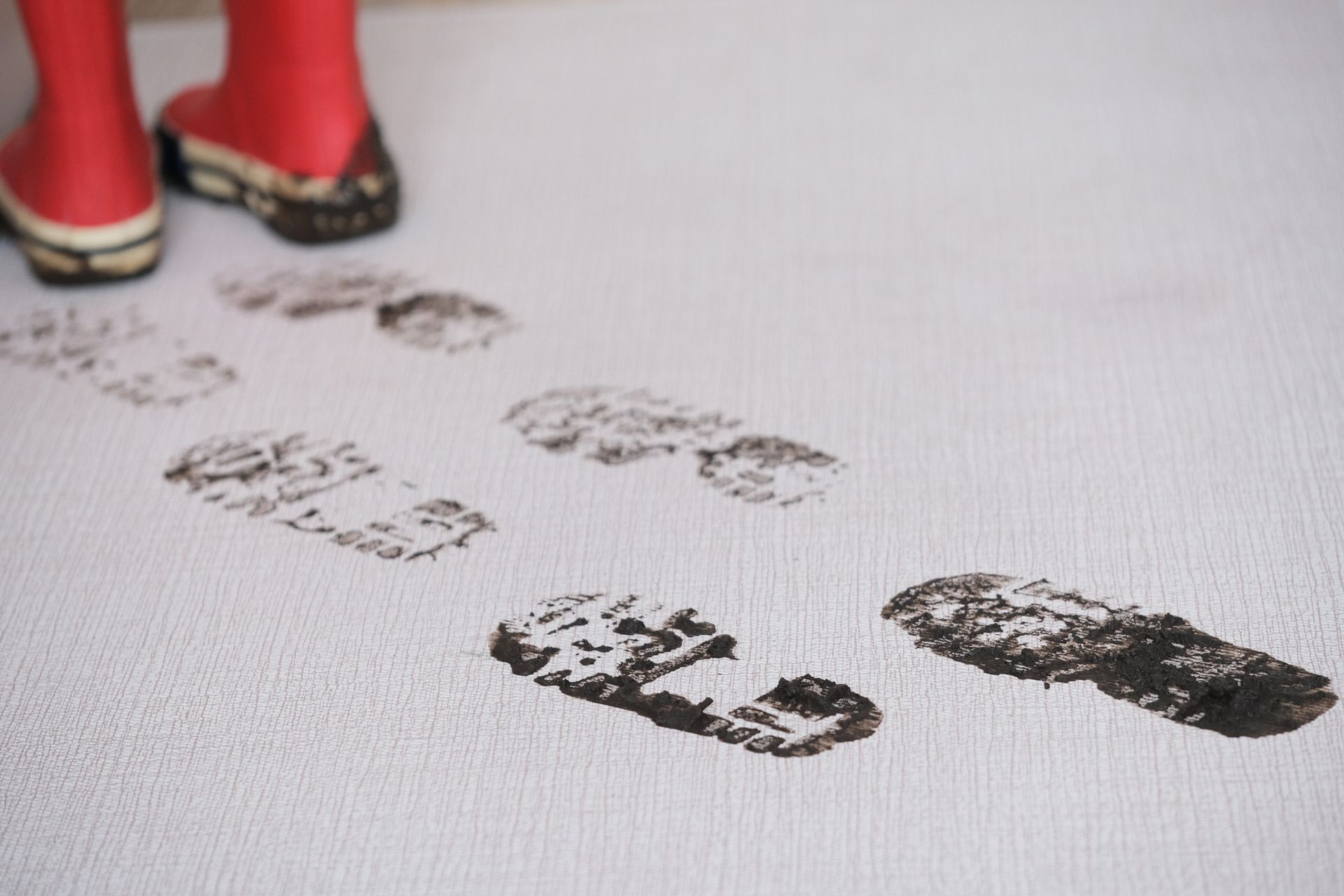
Mud and organic debris act like sandpaper on your floor's finish. Each footstep grinds particles against the surface, wearing down protective coatings on hardwood and creating microscopic scratches that dull the shine. On grout lines between tiles, mud works its way deep into porous surfaces where it becomes nearly impossible to remove without professional intervention.
Grit and sand particles are even more abrasive than mud alone. The mixture of road sand, driveway gravel, and natural sediment that characterizes Upper Valley mud season is particularly damaging. These hard particles scratch floors, scuff finishes, and accelerate wear patterns—especially in high-traffic entryways and hallways.
Moisture penetration poses the most insidious threat. When wet boots and muddy paws repeatedly cross your floors, water seeps into vulnerable areas. On hardwood, moisture causes warping, cupping, and finish deterioration. On slate and natural stone, it can lead to staining and surface degradation. Even waterproof vinyl flooring can suffer edge damage and adhesive failure when constantly exposed to moisture.
How Different Flooring Types Respond to Mud Season
Not all floors face the same risks during mud season. Understanding your specific flooring material helps you target your protection strategy.
Hardwood floors are particularly vulnerable. The finish can be scratched by abrasive particles, while moisture can penetrate between boards or through worn areas, causing boards to swell, cup, or develop dark water stains. Once water damage occurs in hardwood, repair often requires professional refinishing—a costly fix for a preventable problem.
Slate and natural stone floors handle moisture better than wood but face their own challenges during Upper Valley mud season cleaning efforts. Their porous nature means mud and minerals can penetrate the surface, creating stubborn stains. Many homeowners unknowingly damage stone floors by using acidic cleaners (more on this mistake later).
Ceramic and porcelain tile are more water-resistant, but the grout lines between tiles become mud magnets. Once grout is stained, it's extremely difficult to restore without professional cleaning or replacement. The contrast between dirty grout and clean tile can make your entire floor look dingy.
Vinyl and laminate flooring offer better water resistance but aren't invincible. Moisture can seep through seams and edges, causing swelling, delamination, and edge lifting. Grit scratches the wear layer, leaving permanent marks that dull the floor's appearance.
Why the Upper Valley's Mud Season Is Especially Challenging
Regional Weather Patterns That Create Perfect Storm Conditions
The Upper Valley experiences a unique combination of conditions that make mud season particularly intense. Our freeze-thaw cycles are more dramatic than many regions, with temperatures swinging from below freezing at night to the 40s and 50s during the day throughout March and April.
When the top layer of ground thaws while deeper soil remains frozen, water has nowhere to drain. This creates the signature mud soup that defines our spring. Add in snowmelt from the White Mountains and Green Mountains, and you have exceptional moisture levels that persist for weeks.
Class VI roads, unpaved driveways, and rural properties—common throughout the Upper Valley—mean many residents deal with muddy conditions every time they leave home. Even paved roads get coated with sand and sediment tracked from side roads and driveways.
The Timeline: When to Expect Peak Mud Season
In the Upper Valley, mud season typically runs from mid-March through late April, though early warm spells or late snowstorms can shift the timeline. The worst period usually occurs in late March and early April when daytime temperatures consistently rise above freezing but nights remain cold.
Understanding this timeline helps you prepare. Early March is the ideal time to set up your floor protection systems before the worst mud arrives. By late April, you can assess any damage that occurred and schedule professional cleaning or repairs before summer guests arrive.
Pro Tips to Protect Your Floors During Mud Season
Strategy 1: Create a Mud Room Defense System
Your first line of defense happens before anyone enters your home. An effective entryway system dramatically reduces how much mud reaches your interior floors.
Outdoor staging area: Place a boot scraper and coarse outdoor mat at every entrance. Metal scrapers remove the bulk of mud from boot treads before anyone steps on your mats. Choose outdoor mats with deep ridges that trap particles rather than allowing them to roll off onto porches.
Transition zone: Inside your door, create a dedicated mud zone with waterproof, washable mats that extend at least four feet into your home. This gives people space to remove boots and hang coats without tracking mud further inside. Rubber-backed mats with absorbent tops work best for capturing both particles and moisture.
No-shoe policy enforcement: During peak mud season, consider implementing a strict no-shoe policy for your main living areas. Keep a basket of clean slippers or indoor shoes by the door to make the transition comfortable. For households with children, pets, or frequent visitors, this single change prevents more floor damage than any other measure.
Strategy 2: Daily Maintenance Routines That Actually Work
Consistency matters more than intensity during mud season. A quick daily routine prevents buildup that becomes harder to clean over time.
Morning sweep or vacuum: Before the day's foot traffic begins, quickly sweep or vacuum your entryway and high-traffic areas. This removes yesterday's dried mud before it gets ground deeper into floors. Use a vacuum with good suction and a hard floor attachment rather than just a broom, which can scatter fine particles.
Evening spot clean: Each evening, address any visible mud tracks before they dry completely. Fresh mud removes much more easily than dried sediment. Keep a spray bottle of appropriate floor cleaner and microfiber cloths handy for quick cleanup.
Mat maintenance: Shake out your entryway mats daily and wash them weekly during peak mud season. Dirty mats become part of the problem rather than the solution, redistributing mud across floors instead of trapping it.
Strategy 3: Upper Valley Mud Season Cleaning Best Practices
When it's time for deeper cleaning, technique matters as much as frequency. Proper Upper Valley mud season cleaning protects floors while removing stubborn soil.
The two-pass method for hard floors: Never mop mud directly. First, thoroughly sweep or vacuum to remove loose particles. Then use a damp (not wet) mop with appropriate cleaner for your floor type. A second pass with clean water removes cleaning residue that can attract more dirt.
Grout line attention: For tile floors, use a soft brush specifically on grout lines where mud accumulates. Apply grout cleaner, let it sit for the recommended time, then scrub gently before mopping. This prevents the dingy appearance that comes from neglected grout.
Hardwood protection: Use only cleaners specifically formulated for hardwood floors. Excess water is hardwood's enemy, so use a barely damp mop and dry the floor immediately afterward with clean towels. During mud season, consider professional hardwood cleaning to remove built-up grime without risking moisture damage.
Strategy 4: Pet-Specific Solutions
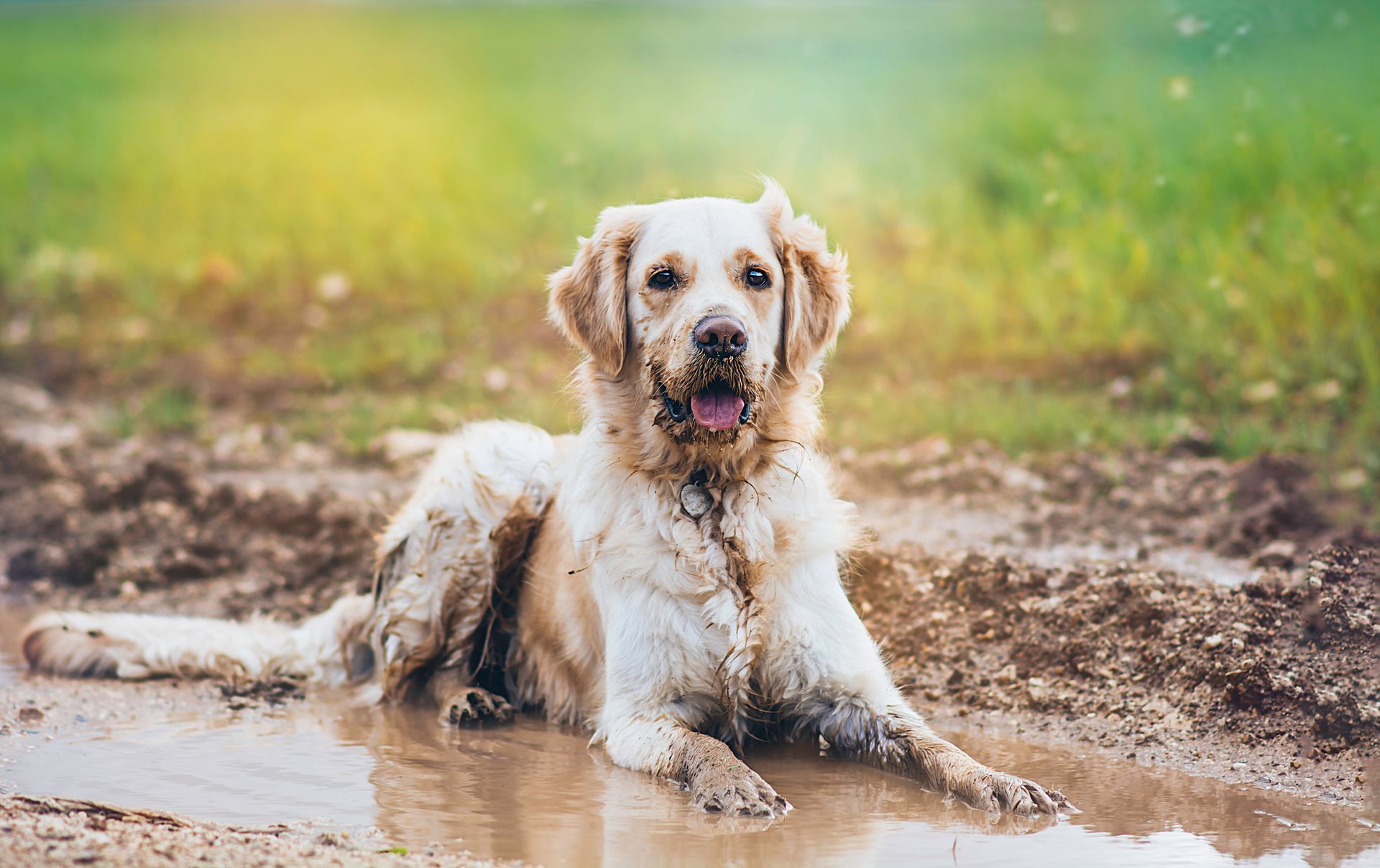
If you have dogs in the Upper Valley, mud season means muddy paws several times daily. Pet-specific strategies prevent your four-legged family members from destroying your floors.
Paw cleaning station: Set up a dedicated paw-washing area in your entryway with a shallow basin, towels, and pet-safe cleaner. Make paw cleaning a routine part of every walk. Even a quick wipe with damp towels removes most mud before paws touch interior floors.
Pet mat zones: Designate specific areas where pets are allowed immediately after coming inside. Use washable, waterproof pet mats in these zones. Many Upper Valley pet owners keep dogs in the mudroom or entryway for a few minutes after walks to let paws dry before allowing access to the whole house.
Protective coatings: If you haven't already, consider having professional protective coatings applied to floors in pet traffic areas. These coatings create an extra barrier against scratches and moisture, buying you time to clean up muddy paw prints before they cause permanent damage.
Common Floor Cleaning Mistakes to Avoid During Mud Season
Myth 1: "Vinegar Is a Safe, Natural Cleaner for All Floors"
This is one of the most damaging misconceptions we encounter during Upper Valley mud season cleaning consultations. While vinegar is indeed natural, it's acidic—and acid destroys many flooring materials.
Never use vinegar on natural stone floors including slate, marble, travertine, or limestone. The acid etches the surface, creating dull spots and permanent damage. Once stone is etched, only professional refinishing can restore it.
Vinegar can also damage hardwood floor finishes over time, breaking down the protective polyurethane coating and leaving wood vulnerable to moisture and staining. While one vinegar mopping won't destroy your floors, repeated use accelerates wear.
Instead, invest in pH-neutral cleaners specifically formulated for your floor type. The few extra dollars spent on proper cleaners save thousands in repair costs.
Myth 2: "More Water Means Cleaner Floors"
Excess water is particularly dangerous during mud season when floors are already experiencing elevated moisture exposure. Using too much water when mopping can push moisture into seams, edges, and vulnerable areas.
For hardwood, excessive water causes immediate problems—standing puddles penetrate the finish and cause boards to swell and warp. For tile, too much water saturates grout and can seep through to the substrate, potentially causing mold growth.
The professional approach: Use minimal water. Your mop should be damp, not dripping. If you can wring water from your mop, it's too wet.
Myth 3: "I Can Wait Until Spring to Deep Clean"
Many homeowners postpone serious floor care until mud season ends, thinking they'll just clean everything thoroughly in May. This approach allows damage to accumulate and become permanent.
Mud that sits on floors for weeks grinds deeper into finishes with every footstep. Moisture has more time to penetrate vulnerable areas. Stains set and become harder to remove.
The better strategy: Maintain floors consistently throughout mud season with regular cleaning, then schedule professional deep cleaning in early May to address any issues before they become permanent.
When to Call in the Professionals
Signs Your Floors Need Expert Attention
Even with diligent home care, some mud season damage requires professional intervention. Watch for these warning signs: dark water stains on hardwood that don't disappear when dry, grout lines that remain discolored despite vigorous scrubbing, visible scratches or dullness in floor finish that spreads over time, warping, cupping, or gaps appearing between hardwood boards, persistent odors suggesting moisture has penetrated subflooring, and sticky residue or film that builds up despite regular cleaning.
These issues won't resolve with DIY cleaning. In fact, attempting to fix them yourself often makes matters worse. Professional floor care technicians have specialized equipment, commercial-grade products, and expertise to restore floors without causing further damage.
The Value of Professional Upper Valley Mud Season Cleaning
Professional cleaning services offer more than just stronger products. Local experts understand the specific challenges of Upper Valley mud season—from the particular composition of our road sand to the freeze-thaw patterns that create our distinctive mud.
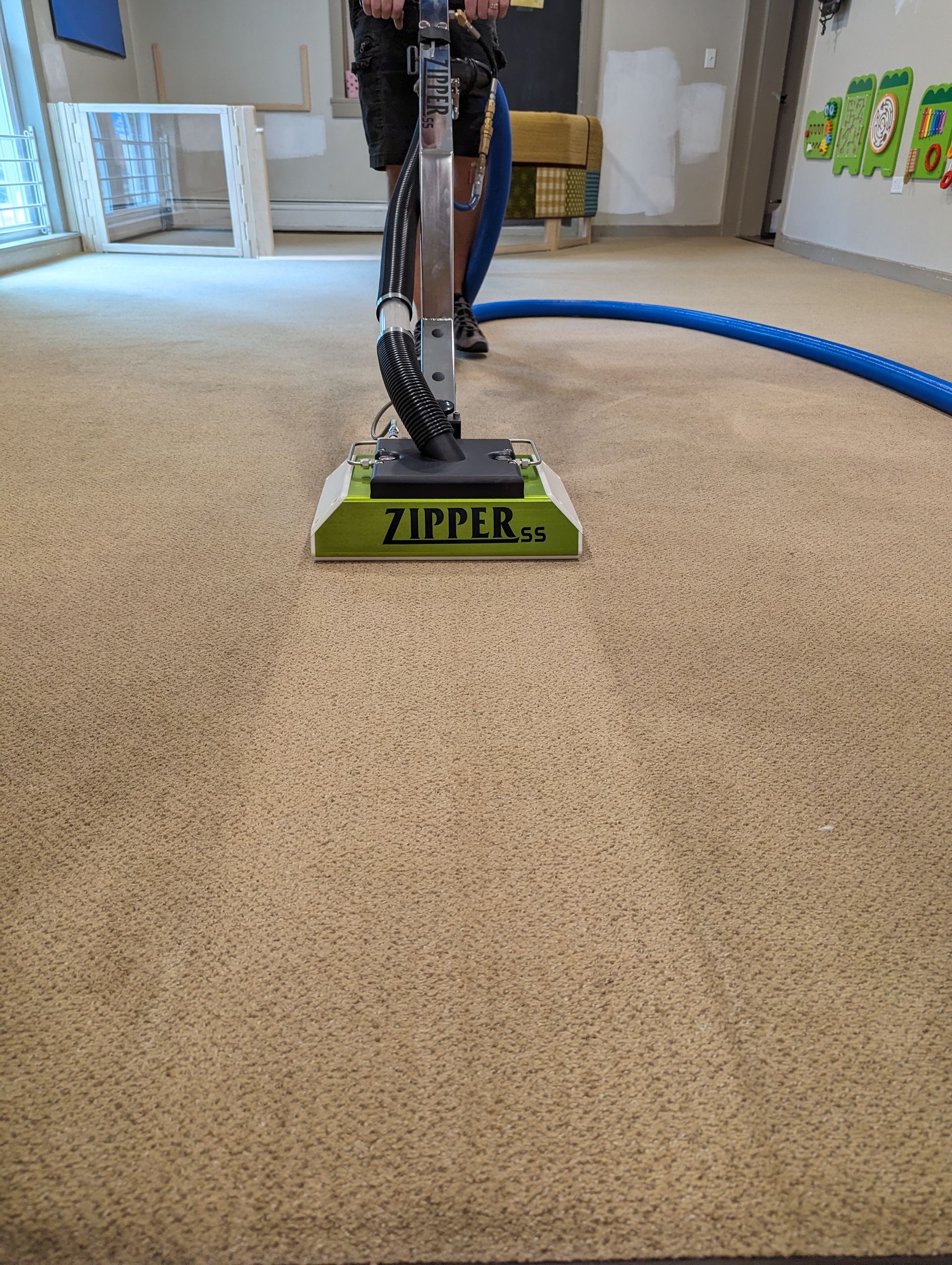
Professional services include deep extraction cleaning that removes ground-in soil from grout and floor pores, protective coating application to guard against future damage, and expert assessment of any existing damage with recommendations for repair. Many Upper Valley homeowners schedule professional cleaning in early May as soon as mud season ends, restoring their floors before entertaining season begins.
The investment typically costs a fraction of floor replacement or refinishing—making professional cleaning one of the most cost-effective home maintenance decisions you can make.
Conclusion: Your Floors Can Survive and Thrive Through Mud Season
Mud season is simply part of life in the beautiful Upper Valley region we call home. While we can't control the weather or eliminate the mud, we absolutely can control how it affects our floors.
The key is shifting from reactive cleaning to proactive protection. Set up effective entryway systems before mud season begins. Establish daily maintenance routines that prevent buildup. Use appropriate cleaning methods and products for your specific flooring types. Avoid common mistakes that cause more harm than good. And recognize when professional expertise can save you time, money, and frustration.
Your floors represent a significant investment in your home's value and your family's comfort. With the right approach, they'll emerge from mud season looking as beautiful as they did when winter snow covered the ground.
Ready to Protect Your Upper Valley Home This Mud Season?
Flanders Cleaning Services brings decades of local expertise to homes and businesses throughout the Upper Valley of New Hampshire and Vermont. Our team understands exactly what your floors endure during mud season because we live here too—we're your neighbors, dealing with the same unpaved roads and freeze-thaw cycles you face.
Whether you need professional deep cleaning to restore floors after a particularly brutal mud season, expert advice on protecting your specific flooring types, or scheduled maintenance to keep your home looking its best year-round, we're here to help.
Contact Flanders Cleaning Services today to schedule your mud season floor protection consultation or professional cleaning service. Let's make sure this spring's mud stays outside where it belongs.